Echoes of History Uncut Logo
ECHOES OF HISTORY UNCUT
Explore Vault & Catalog Menu
Browse by theme

War & Espionage

Declassified covert operations, battlefield miscalculations, cryptanalysis duels, and double agents.

Historical Scope & Archival Methodology

Warfare is not solely decided by massed armies or superior firepower; it is equally shaped by deception, cryptographic breakthroughs, intelligence oversights, and individual initiative. In many historical crises, an overlooked memo or a broken cipher altered the destiny of empires.

Our war and espionage dossiers delve into the classified archives of military intelligence branches, naval command desks, and covert agencies. We separate battlefield mythology from historical reality by cross-checking combat after-action reports with opposing military records.

Primary Archival Deposits & Record Types:
• Military Command After-Action Reports and Operational Combat Diaries • Intercepted Signals Intelligence and Cryptographic Decryption Records • Interrogation Transcripts, Agent Dossiers, and Declassified Reconnaissance
They Rammed an Explosive-Packed Warship Into a Nazi Dock. Fewer Than Half Came Home.
World Wars Era · France · 1942

They Rammed an Explosive-Packed Warship Into a Nazi Dock. Fewer Than Half Came Home.

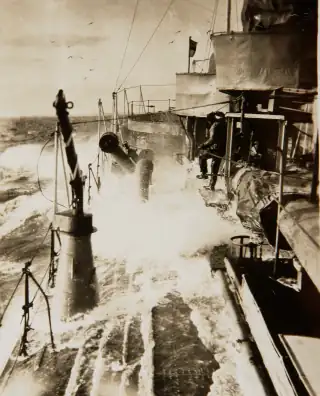
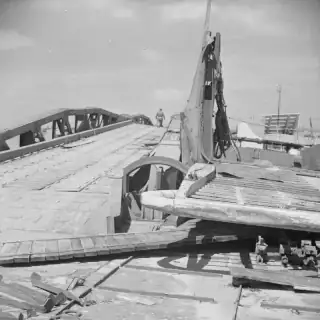
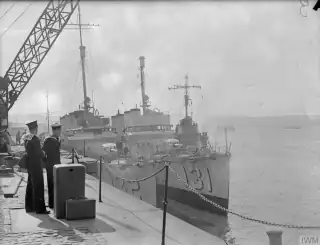
In March 1942, British commandos executed Operation Chariot: packing the obsolete destroyer HMS Campbeltown with four tons of hidden high explosives, disguising her as a German warship, and ramming her directly into the Normandie dry dock gates at Saint-Nazaire, France. The mission had a single vital objective: destroy the only Atlantic dock capable of repairing Hitler's monstrous battleship Tirpitz. Hours after the commandos fought their way out, concealed chemical time-delay fuses detonated, obliterating the dock gates alongside dozens of inspecting German officers and crippling Nazi Atlantic strategy for the remainder of World War II.
A Country With No Army Took On the Royal Navy. And Won.
Cold War Era · Iceland · 1976

A Country With No Army Took On the Royal Navy. And Won.

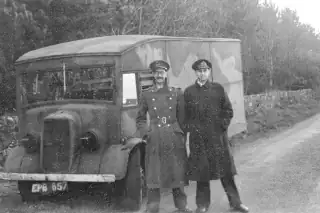
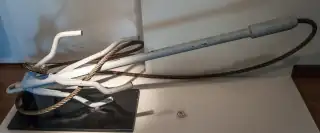
Between 1958 and 1976, Iceland—a tiny island nation with zero standing army—took on the mighty British Royal Navy across three escalating maritime confrontations known as the Cod Wars. Armed only with small coast guard patrol cutters and ingenious secret wire-cutters, Icelandic sailors sliced trawl nets, endured fifty-five violent naval rammings, severed diplomatic relations with London, and leveraged the strategic Keflavík NATO airbase to force Great Britain into complete surrender, securing an exclusive 200-nautical-mile economic zone.

Their Warship Was Wrecked. So 50 Sailors Stole a Ghost Ship.
World Wars Era · Germany · 1914

Their Warship Was Wrecked. So 50 Sailors Stole a Ghost Ship.

In November 1914, fifty German sailors from the light cruiser SMS Emden were stranded on Direction Island in the Cocos archipelago after their ship was destroyed in battle by HMAS Sydney. Rather than surrender, their young commander commandeered the Ayesha—a rotting, unseaworthy 97-ton wooden schooner abandoned in the lagoon. Defying all odds, the crew pumped water day and night, evaded Allied naval patrols across seventeen hundred miles of open ocean to Sumatra, transferred ships to Arabia, and fought their way across the desert on camels to reach safety.

By Crew Accounts, a Nuclear Launch Needed All 3 Officers to Agree. He Said No.
Cold War Era · USSR · 1962

By Crew Accounts, a Nuclear Launch Needed All 3 Officers to Agree. He Said No.

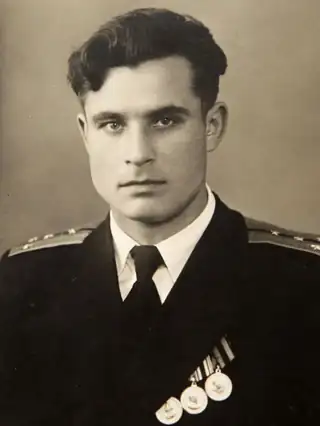
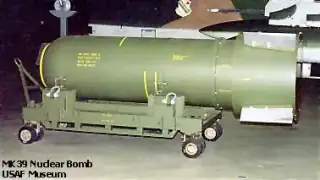
On October 27, 1962, at the peak of the Cuban Missile Crisis, the Soviet submarine B-59 was trapped underwater under depth-charge barrage by the US Navy. With carbon dioxide rising and communications severed, two senior officers authorized the launch of a 10-kiloton nuclear torpedo. Brigade Chief of Staff Vasili Arkhipov cast the lone dissenting vote, according to crew testimony, averting a nuclear launch.

Enemy Soldiers Stopped Fighting for Christmas. Did They Play Football?
World Wars Era · Belgium · 1914

Enemy Soldiers Stopped Fighting for Christmas. Did They Play Football?

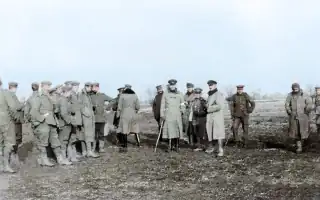
On Christmas Eve 1914, five months into the slaughter of World War One, gunfire along the Western Front suddenly died down. German soldiers lit small candles on miniature Christmas trees placed atop their parapets and began singing 'Stille Nacht' across the frozen mud. In response, British troops answered with English carols. By dawn on Christmas Day, thousands of mortal enemies climbed unarmed out of their trenches, meeting in the cratered expanse of No Man's Land to bury fallen comrades, exchange cigarettes and plum puddings, and even play impromptu football matches.

A King Built a Giant Warship. It Sank in 20 Minutes
Before 1800 · Sweden · 1628

A King Built a Giant Warship. It Sank in 20 Minutes

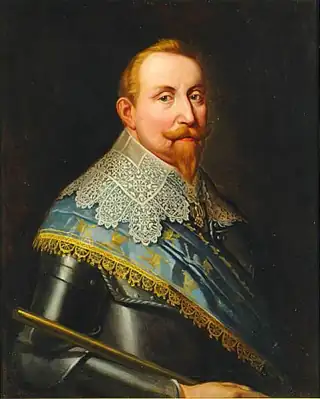
On August 10, 1628, Sweden launched the Vasa, a colossal 64-gun royal galleon constructed to spearhead the Thirty Years' War. Coerced by King Gustavus Adolphus into carrying an excessive battery of heavy 24-pounder bronze cannons on two enclosed decks, the top-heavy warship heeled under a light summer breeze just twenty minutes into its maiden voyage, flooding through open gun ports and sinking in Stockholm harbor.

They Banned Pets on Ships. So Troops Enlisted a Bear.
World Wars Era · Poland · 1944

They Banned Pets on Ships. So Troops Enlisted a Bear.

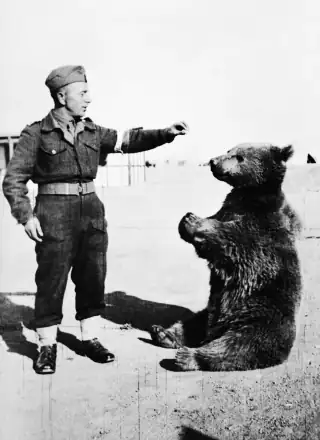
British transport ships to Italy forbade pet animals from boarding. To bring their bear with them, soldiers from Poland officially enlisted Wojtek as a soldier with an army rank and a paybook. During the Battle of Monte Cassino in May 1944, Wojtek hauled heavy ammunition boxes under cannon fire, inspiring his unit to adopt a shell-carrying bear as their official emblem.

The Navy Named Two Gunboats Mimi and Toutou. They Took Control of a Lake.
World Wars Era · Tanzania · 1915

The Navy Named Two Gunboats Mimi and Toutou. They Took Control of a Lake.

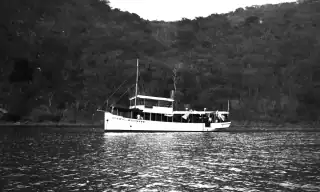
In 1915, the British Admiralty approved an audacious plan to transport two tiny armed motorboats three thousand miles through the African bush to challenge German naval dominance on Lake Tanganyika. The eccentric commander who led the mission suggested naming them Cat and Dog—rejected by the Admiralty—so he tried the French equivalents, Mimi and Toutou, meaning Meow and Bow-Wow. The Admiralty approved them without knowing the translation. After months of hauling the boats by train, river barge, and ox team through jungle and over mountains, they launched on 22 and 23 December 1915, capturing one German gunboat and sinking another to break Germany's grip on Central Africa.

They Built a Cannon Out of Five Nations' Junk to Survive a 55-Day Siege
World Wars Era · China · 1900

They Built a Cannon Out of Five Nations' Junk to Survive a 55-Day Siege

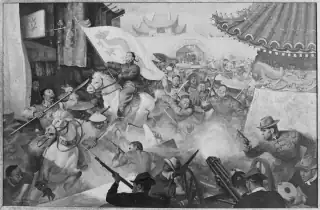
During the fifty-five-day Siege of the International Legations in Peking in 1900, foreign legation guards and thousands of Chinese Christian refugees were trapped and besieged by imperial Qing forces. Facing heavy artillery fire without any big guns of their own, Chinese refugees excavated an old, rusted British bronze cannon barrel from an abandoned junk shop. American Navy Gunner Joseph Mitchell mounted the barrel onto a spare Italian gun carriage, loaded it with Russian shells found in a well, primed it with German powder, and fired it using American gunners. Nicknamed the 'International Gun' or 'Old Betsy,' this improvised cannon shattered enemy barricades until an international relief column broke through.

A City's Greatest Minds Let Lice Drink Their Blood to Survive the Nazis
World Wars Era · Poland · 1941

A City's Greatest Minds Let Lice Drink Their Blood to Survive the Nazis

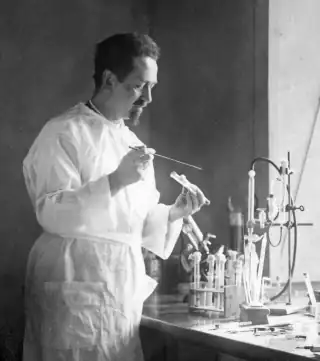
In Nazi-occupied Lwów, Polish biologist Rudolf Weigl invented the first viable vaccine against epidemic typhus by cultivating Rickettsia bacteria inside body lice fed on human blood. Exploiting the German military's desperate need for vaccine doses, Weigl employed thousands of Polish university professors, underground resistance fighters, and persecuted Jews as 'louse-feeders,' shielding them from Gestapo death squads.

A Battleship Came for the Rebels. Their Cannon Was Fake.
World Wars Era · Brazil · 1904

A Battleship Came for the Rebels. Their Cannon Was Fake.

In November 1904, Rio de Janeiro erupted into a ferocious week-long insurrection known as the Revolta da Vacina after public health director Oswaldo Cruz made smallpox vaccination mandatory under penalty of law. Barricades were erected, streetcars overturned, and a battleship sent into Guanabara Bay—only for troops to discover the rebels' last fortress was fortified with stovepipe cannons and wooden dynamite.

Two Nations Nearly Went to War Over One Pig.
19th Century · USA · 1859

Two Nations Nearly Went to War Over One Pig.

In June 1859, on San Juan Island, American settler Lyman Cutlar shot a Hudson's Bay Company pig that was rooting in his garden. Within weeks, 461 Americans with 14 cannons faced British warships - until a British admiral refused to start a war over "a squabble about a pig." The two nations shared the island until 1872. The only casualty was the pig.

Why Colonists Gave Thanks After a Massacre
Before 1800 · United States · 1637

Why Colonists Gave Thanks After a Massacre

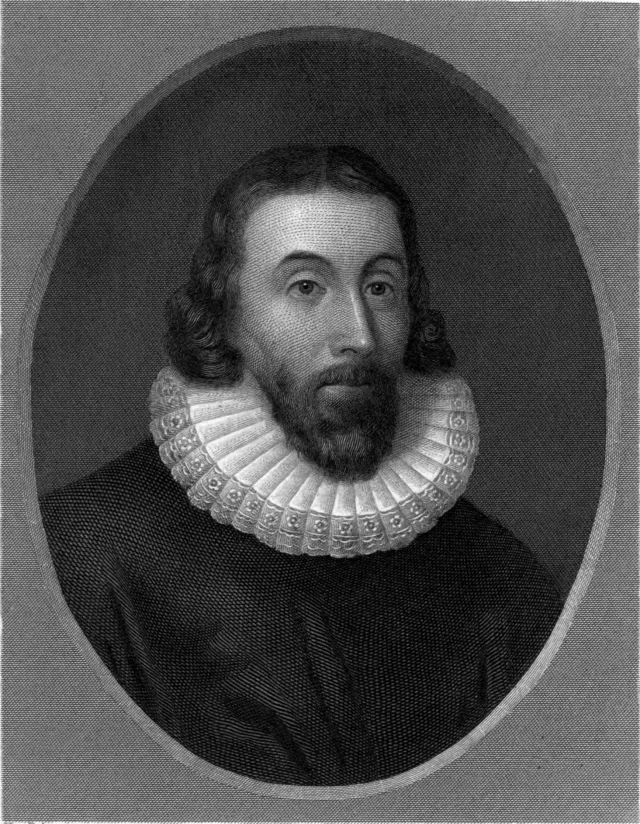
Colonial thanksgiving proclamations did not begin as a single peaceful harvest tradition. In 1637, Massachusetts Governor John Winthrop declared a public day of thanksgiving after colonial militias massacred Pequot villagers at Mystic, and in 1863 Abraham Lincoln established the modern national holiday amid the Civil War without mentioning Pilgrims.

Saved to Vault

Keyboard Navigation

⌘K / Ctrl+K
Instant search across all 100 dossiers
J / K
Jump to Next / Previous chapter in dossier
← / →
Step through Eras on Timeline or Lightbox plates
?
Toggle this keyboard shortcuts guide