
A Pastry Chef's Complaint Helped Spark a Real War. Guess Where?
A French pastry chef said army officers looted his shop near Mexico City and demanded 60,000 pesos. France backed him, its navy blockaded Mexican ports in 1838, and the Pastry War cost General Santa Anna his leg - a leg that later got its own state funeral.
In this dossier (8 chapters) ▾
- 01 A Pastry Shop in Tacubaya
- 02 The Blockade and the Bombardment of San Juan de Ulúa
- 03 Santa Anna’s Leg and Political Resurrection
- 04 British Mediation and the Road to 1861
- 05 The Name and the Legacy
- 06 What the Record Shows
- 07 Archival Evidence & Picture Credits
- 08 Verified Archival Sources & Bibliography
Historical Dossier: The Pastry War Location: Mexico City, Veracruz and the Gulf coast of Mexico | Year: 1832–1839 | Key Figures: Monsieur Remontel, King Louis-Philippe, Rear Admiral Charles Baudin, President Anastasio Bustamante, Antonio López de Santa Anna
A Pastry Shop in Tacubaya
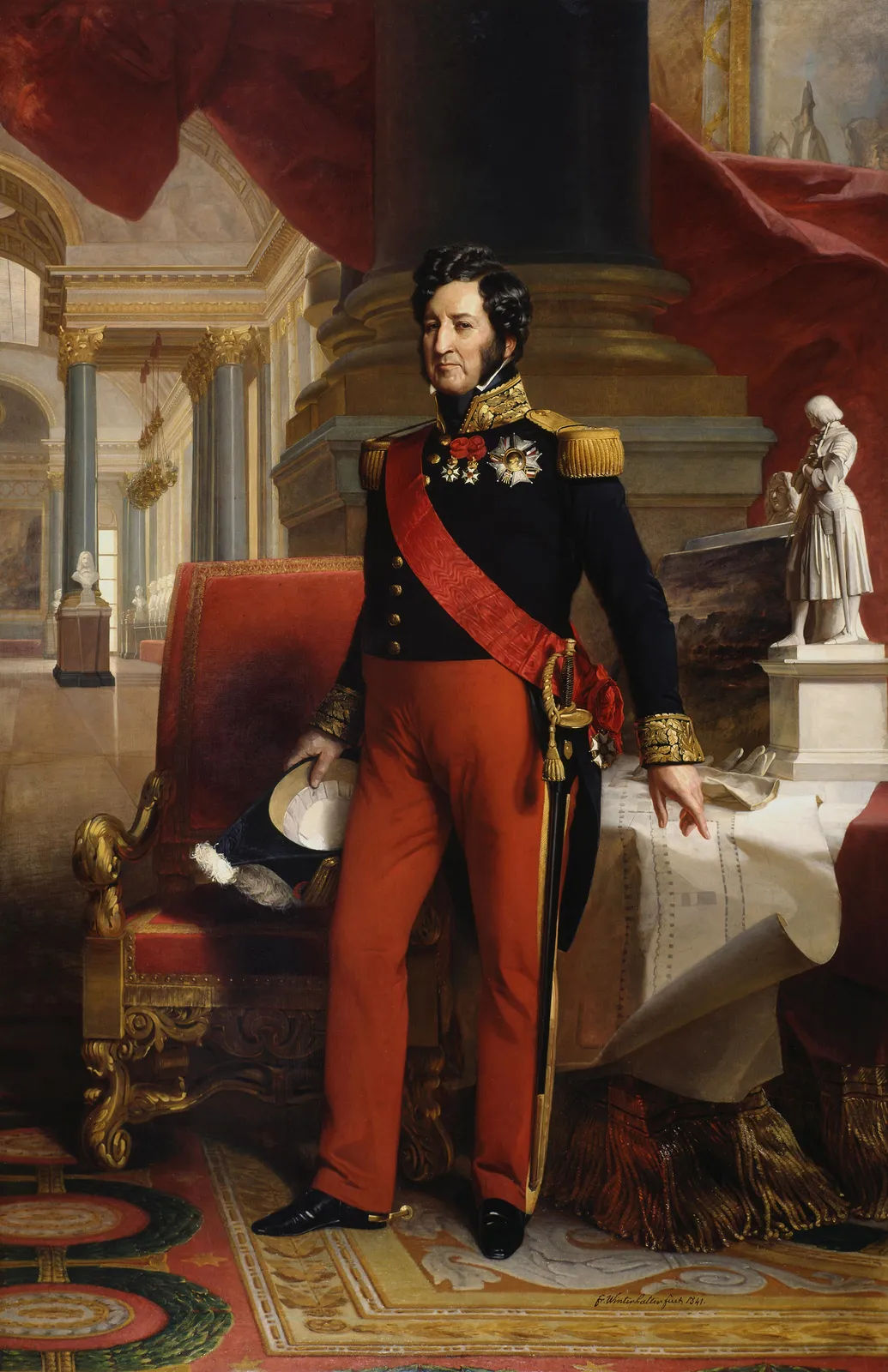
The Pastry War (Guerra de los Pasteles), also known as the First French Intervention in Mexico, takes its popular name from a modest French bakery in the Mexico City suburb of Tacubaya. In 1832, during one of the turbulent military uprisings that convulsed the early Mexican Republic, a French pastry cook known in diplomatic dispatches as Monsieur Remontel lodged a formal complaint with King Louis-Philippe of France. According to Remontel’s petition, officers serving under General Antonio López de Santa Anna had entered his shop, feasted wildly, smashed his ovens and furniture, and looted his entire stock of fine pastries without paying a single real. Mexican officials countered that the soldiers had merely walked out on an unpaid tab. Regardless of what had transpired inside the Tacubaya storefront, Remontel demanded 60,000 pesos in sovereign reparations—even though contemporary assessments placed the value of his entire bakery at less than 1,000 pesos.
A single unpaid pastry bill would never have launched a transatlantic naval expedition on its own. However, Remontel’s complaint arrived in Paris just as a decade of unresolved French commercial grievances against Mexico reached a boiling point. During the Parián market riot in Mexico City in December 1828, French merchants and shopkeepers had suffered severe property losses as mutinous troops pillaged the city’s central commercial arcade. Trade treaties between Paris and Mexico City remained unratified, Mexican courts repeatedly rejected foreign indemnity claims, and in 1837 a French citizen accused of piracy at Tampico was summarily executed by Mexican authorities. Seeing an opportunity to assert French naval prestige in the Americas and compel favourable trade terms, Prime Minister Louis-Mathieu Molé consolidated every outstanding French claim—including Remontel’s 60,000-peso bakery bill—into an ultimatum presented by Baron Antoine-Louis Deffaudis on 21 March 1838: Mexico had until 15 April to pay 600,000 pesos (roughly three million francs) in cash.
The government of President Anastasio Bustamante, already bankrupted by internal rebellions and the recent secession of Texas in 1836, had neither the treasury reserves to pay 600,000 pesos nor the political room to bow to foreign gunboat diplomacy. Bustamante declared that national honour forbade negotiating while French warships threatened Mexican waters.
The Blockade and the Bombardment of San Juan de Ulúa
France answered Bustamante’s refusal with naval force. On 16 April 1838, a French squadron initially under Captain Bazoche declared a blockade of Mexico’s Gulf coast ports, cutting off customs duties at Veracruz and Tampico—the primary revenue stream of the Mexican state. When months of economic strangulation failed to extract payment, Paris dispatched Rear Admiral Charles Baudin with an reinforced fleet of twenty-six warships, including four frigates (Néréide, Gloire, Iphigénie, and Herminie), two mortar bomb vessels (Cyclope and Vulcain), and steam corvettes carrying nearly 4,000 men.
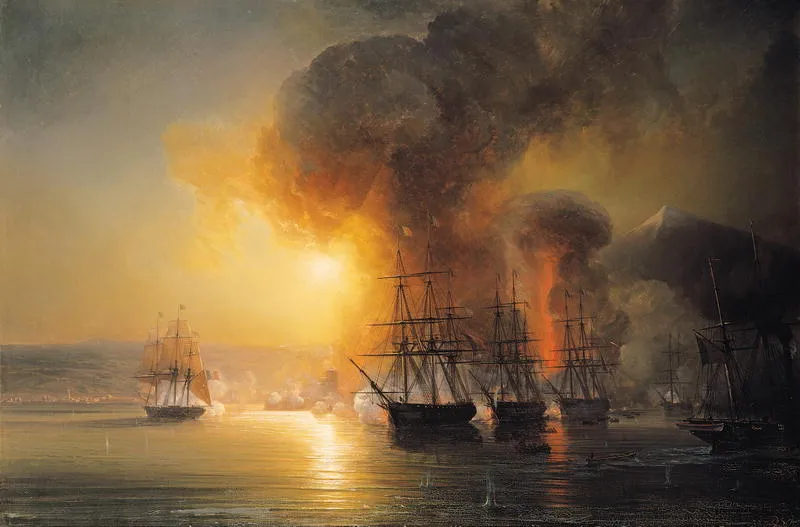
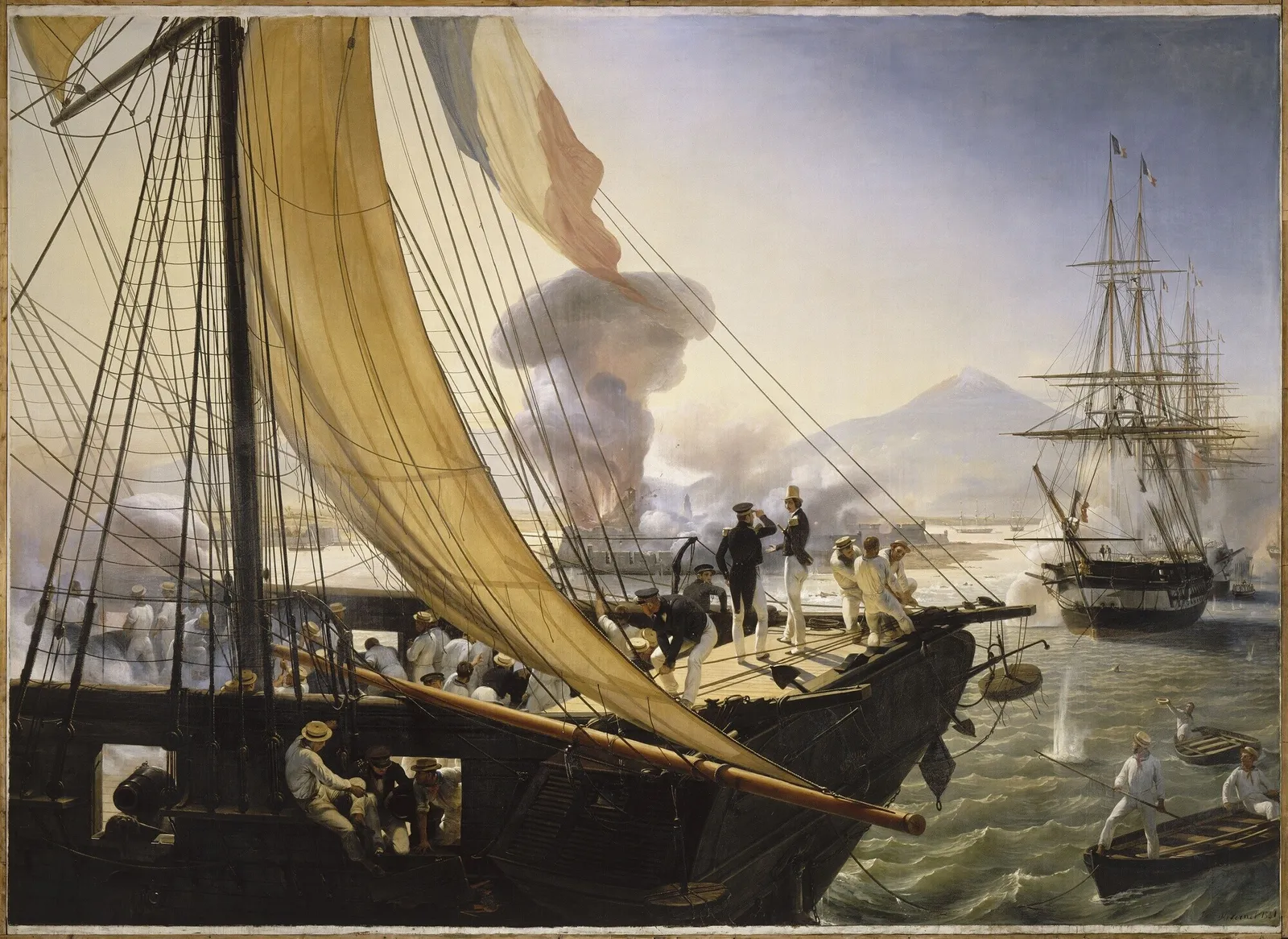
In November 1838, Admiral Baudin met Mexican Plenipotentiary Minister Luis Gonzaga Cuevas at Jalapa for last-minute negotiations. Mexico offered to submit the disputed claims to British arbitration, while Baudin demanded immediate payment of the 600,000 pesos plus an extra 200,000 pesos to cover the costs of the French naval blockade. Talks collapsed on 21 November. At 2:30 p.m. on 27 November 1838, Baudin’s frigates and bomb vessels anchored off the coral-stone island fortress of San Juan de Ulúa, long considered the “Gibraltar of the West Indies” guarding Veracruz harbour. Over four hours of ferocious shelling with newly developed Paixhans explosive shells, French artillery detonated two main Mexican powder magazines, shattered the Caballero Alto watchtower, and inflicted over two hundred casualties inside the garrison. With the fortress’s upper batteries silenced, the local Mexican commander capitulated the next morning.
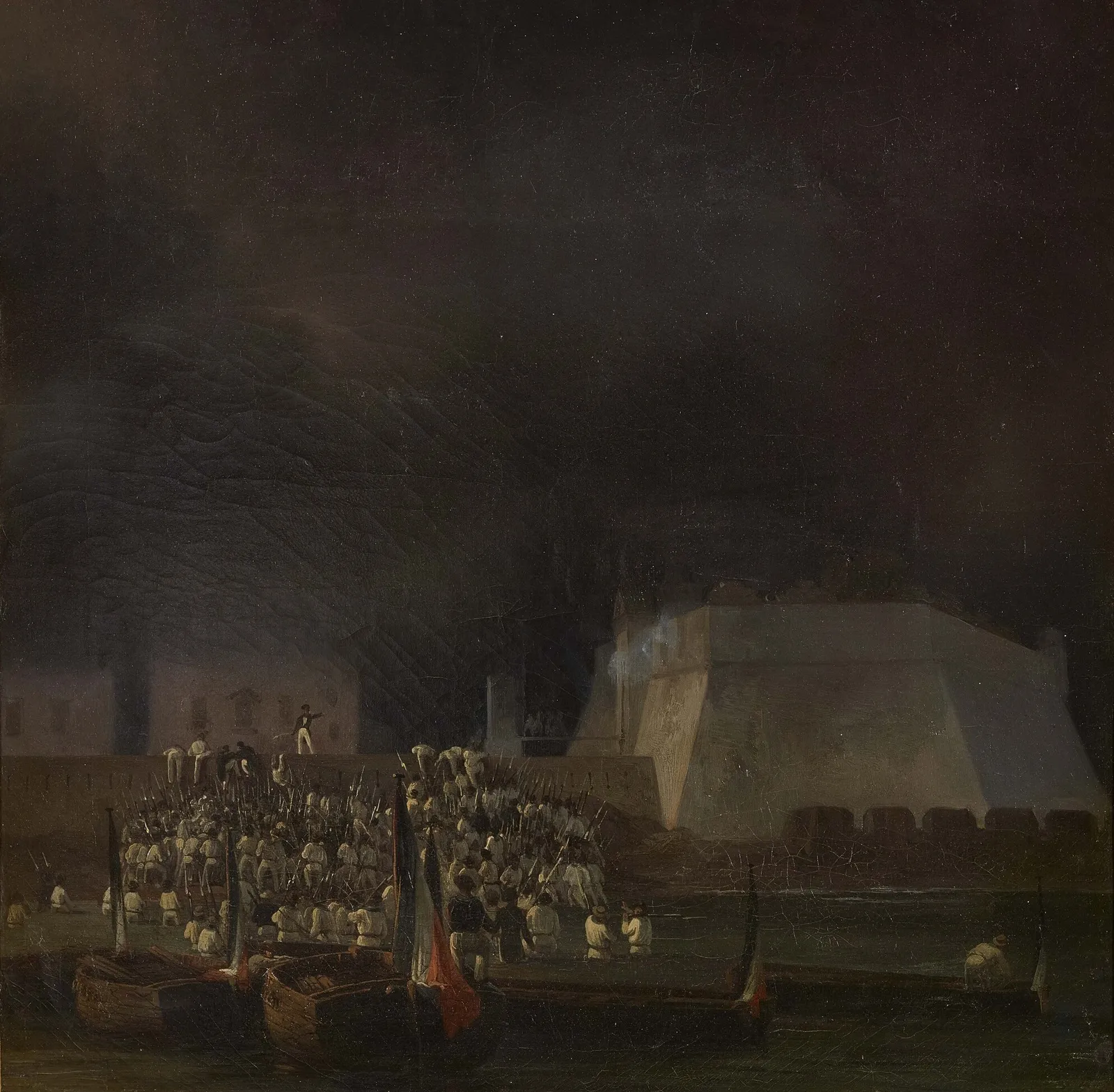
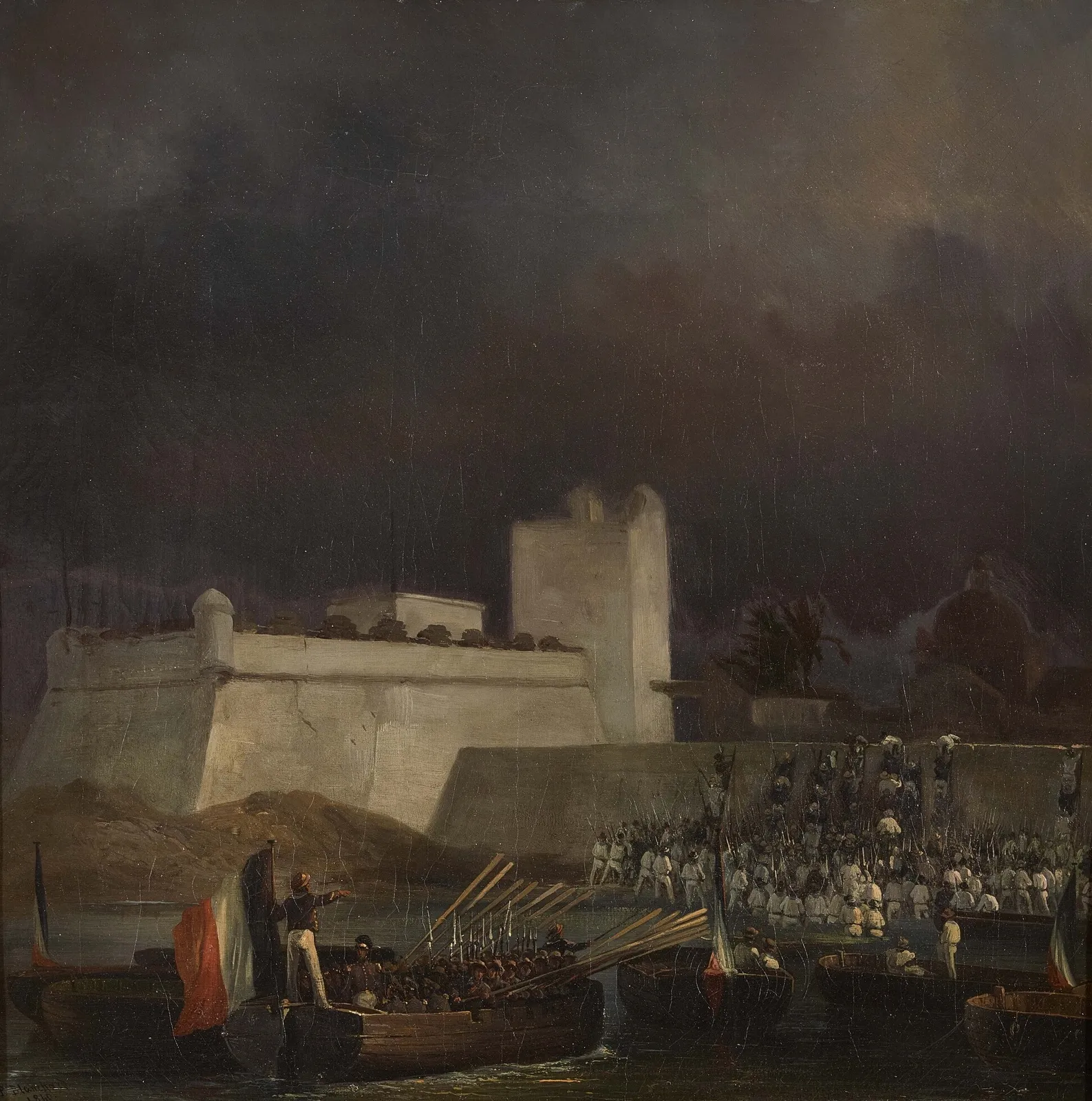
In Mexico City, Congress rejected the local capitulation as treason, formally declared war against France on 30 November 1838, and ordered the expulsion of French nationals. On the foggy morning of 5 December, before dawn broke over the Gulf, Admiral Baudin landed three columns of roughly 1,000 French marines and sailors to spike the coastal batteries of Veracruz and seize the Mexican commanders in the city. One assault column was led personally by the twenty-year-old François d’Orléans, Prince de Joinville, third son of King Louis-Philippe, who blew open the gates of the quarters where Mexican generals Antonio López de Santa Anna and Mariano Arista were sleeping, capturing Arista after brisk street-to-street fighting.
Santa Anna’s Leg and Political Resurrection
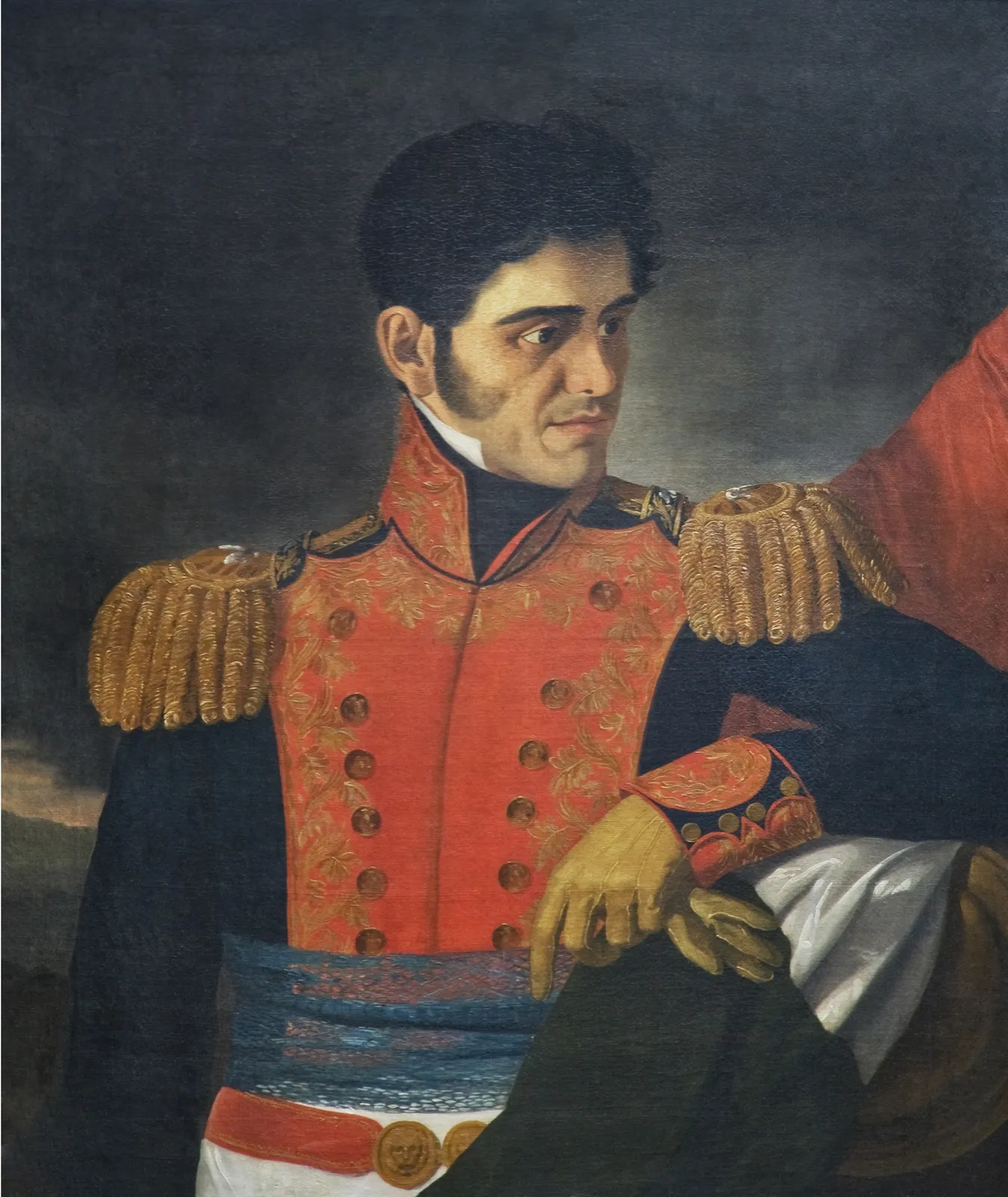
At that moment of national humiliation, General Antonio López de Santa Anna seized his chance for redemption. Ever since his capture at the Battle of San Jacinto in April 1836 and the loss of Texas, Santa Anna had lived in political disgrace on his sprawling estate, Manga de Clavo, near Xalapa. Hearing the rumble of French naval guns at San Juan de Ulúa, he rode into Veracruz to inspect the defences and assumed command when Congress repudiated the truce. Narrowly escaping the Prince de Joinville’s raid on the morning of 5 December, Santa Anna rallied Mexican troops outside the city walls and led a counterattack down the main street toward the Veracruz mole as the French landing parties were re-embarking into their whaleboats.
To cover the withdrawal, Admiral Baudin had placed a small Naval cannon at the end of the pier loaded with lethal canister and grapeshot. As Santa Anna charged at the head of his column, the French gun fired point-blank down the street. The blast killed his horse underneath him and shattered his left ankle and lower leg with iron balls. Doctors amputated the mangled limb below the knee the following day. Displaying his lifelong gift for political theatre, Santa Anna dictated a melodramatic farewell proclamation from what he claimed was his deathbed, declaring that he had shed his blood so that Mexicans might forget his past political errors and never allow foreign invaders to tread upon sacred national soil.
The gambit worked brilliantly. Overnight, the disgraced general of San Jacinto was transformed in the public imagination into the crippled martyr of Veracruz. Returning to the presidency, Santa Anna had his severed left leg exhumed from Manga de Clavo in September 1842, paraded through the streets of Mexico City in a crystal and mahogany urn escorted by cavalry and cabinet ministers, and interred beneath an elaborate monument at the Santa Paula Cemetery with full military honours. Yet the limb’s rest proved as volatile as its owner’s career: in December 1844, when public anger over forced war taxes toppled Santa Anna’s dictatorship, an enraged Mexico City mob smashed the cenotaph at Santa Paula, dragged the dried leg through the cobbled streets tied to a rope, and destroyed it while chanting “Death to the cripple!”
British Mediation and the Road to 1861
Although French warships still controlled San Juan de Ulúa and choked off Gulf commerce into early 1839, neither side could win a decisive land campaign. Great Britain, whose own merchants and silver shipments were suffering acutely from the French blockade, dispatched diplomat Richard Pakenham—backed by the British North America and West Indies Squadron—to Veracruz to broker a settlement. On 9 March 1839, representatives signed a peace treaty in Veracruz: France agreed to evacuate San Juan de Ulúa, restore captured Mexican warships, and lift the blockade, while Mexico pledged to pay the original 600,000-peso indemnity over six months and grant French subjects most-favoured-nation commercial protections.
The Name and the Legacy
Mexican journalists coined the derisive label Guerra de los Pasteles (“War of the Pastries”) to highlight the absurdity of a European monarchy bombarding a sovereign republic over a baker’s inflated receipt. While historians note that Remontel’s shop was merely one line item inside a broader conflict over sovereign debt and commercial jurisdiction, the nickname captured the predatory logic of 19th-century gunboat diplomacy. Worse still, Mexico’s chronic inability to service the 1839 indemnity and subsequent foreign loans provided Emperor Napoleon III with the legal pretext to launch the Second French Intervention in 1861—an invasion that temporarily installed Archduke Maximilian of Austria on a Mexican throne.
For Mexico, the Pastry War cost over two hundred dead and wounded, devastated customs revenues for nearly a year, and returned Santa Anna to power for another ruinous decade. Diplomatic relations between Paris and Mexico City were not fully normalized until 1880, when both nations mutually renounced their war-related claims.
What the Record Shows
11 sourced claims in this story, resting on 10 sources. Numbers link to the bibliography below.
- The Pastry War was sparked in part by a debt claimed by a French pastry chef - sources: 4, 7
- A French pastry chef said Mexican officers looted his shop near Mexico City - sources: 5, 9
- 60,000 pesos was demanded for the damage to the French pastry chef’s shop - sources: 7, 5
- The pastry chef took his case to France and King Louis-Philippe, who backed the claim - sources: 5, 4, 9
- When Mexico refused the demand for payment, the French navy blockaded key Mexican ports in 1838 - sources: 7, 5, 8
- French warships bombarded the island fortress of San Juan de Ulua that guarded the port of Veracruz - sources: 4, 5)
- General Santa Anna came out of retirement to fight the French at Veracruz - sources: 7, 4, 10
- Santa Anna’s leg was hit by grapeshot fired from a French cannon, and doctors amputated it - sources: 6, 9
- In 1842, after Santa Anna became president again, his leg was exhumed, taken to Mexico City and buried in a state funeral - sources: 7, 6, 4
- In 1844, rioters dug up Santa Anna’s leg - sources: 7, 6, 4
- The Pastry War was sparked in part by a debt claimed by a French pastry chef - sources: 4, 7
Archival Evidence & Picture Credits
Every image on this page was checked against its Wikimedia Commons file page.
- Louis-Philippe I, King of the French, who backed the pastry cook’s claim (Wikimedia Commons) - Wikimedia Commons file page
- French ships bombarding San Juan de Ulúa before Veracruz in 1838 (Wikimedia Commons) - Wikimedia Commons file page
- The attack on Veracruz by the Prince de Joinville on the night of 5 December 1838 (Wikimedia Commons) - Wikimedia Commons file page
- Antonio López de Santa Anna, who lost a leg to French grapeshot at Veracruz (Wikimedia Commons) - Wikimedia Commons file page
- The French landing and assault on the walls of the fort at Veracruz in 1838 (Wikimedia Commons) - Wikimedia Commons file page
- An episode from the French expedition to Mexico in 1838 (Wikimedia Commons) - Wikimedia Commons file page


Verified Archival Sources & Bibliography
Every claim in this account has been fact-checked against primary archives and scholarly repositories:
- HISTORY: The Pastry War, 175 Years Ago (Christopher Klein, 2013) (news)
- HISTORY: When a Pastry Chef Accidentally Started an International War (news)
- HISTORY: 6 Things You May Not Know About Santa Anna (news)
- Texas Legislative Reference Library: How Food Caused Santa Anna to Lose His Leg (Twice) (primary)
- INEHRM (Mexican government historical institute): Los pasteles más caros de la historia (primary)
- National Maritime Museum of the Gulf: The Pastry War (news)
- Mental Floss: The Pastries That Cost Santa Anna His Leg (news)
Historical Connection Graph
A Battleship Came for the Rebels. Their Cannon Was Fake.
AJ. "A Pastry Chef's Complaint Helped Spark a Real War. Guess Where?." Echoes of History Uncut. Last modified September 29, 2026. https://echoesofhistoryuncut.com/articles/pastry-war-santa-anna-leg-1838/.

An independent digital history publication and documentary studio reconstructing historical turning points through primary archives, official inquiries, and scholarly citations. Every factual claim in this dossier is cross-referenced to the numbered bibliography above.