
A Feared Emir Spared a Man Because He Couldn't Stop Laughing
In the 1840s, during the peak of the Great Game in Central Asia, Nasrullah Khan, the ruthless Emir of Bukhara, imprisoned and beheaded British officers Charles Stoddart and Arthur Conolly. When eccentric missionary Reverend Joseph Wolff arrived in full Anglican clerical robes to investigate their fate, the feared tyrant burst into uncontrollable laughter and spared his life.
In this dossier (9 chapters) ▾
Historical Dossier: The Emir of Bukhara and the Missionary Who Made Him Laugh Location: Bukhara (now Uzbekistan) | Year: 1838–1845 | Key Figures: Emir Nasrullah Khan, Colonel Charles Stoddart, Captain Arthur Conolly, the Reverend Joseph Wolff
The Great Game Reaches Bukhara
In the 1830s and 1840s, the British Empire and Russia were competing for influence across Central Asia. Britain wanted to protect India. Russia was pushing south. The competition, usually dated from about 1830 to 1907, became known as the Great Game. Captain Arthur Conolly, a British intelligence officer, is credited with giving it the name. In a letter of 1840 to Major Henry Rawlinson he wrote: “You’ve a great game, a noble game, before you.” Rudyard Kipling’s novel Kim, in 1901, made the phrase famous.
Between the two empires lay three khanates, Bukhara, Khiva and Kokand. Bukhara was ruled by Emir Nasrullah Khan, who held the throne from 1826 until his death in 1860. In 1838 a British officer, Colonel Charles Stoddart, arrived there on a diplomatic mission. He had two aims: to persuade the emir to free Russian slaves, which would remove a Russian pretext for intervention, and to negotiate a treaty of friendship with Britain.
Two Officers Disappear
The mission failed. Nasrullah Khan arrested Stoddart in 1838 and imprisoned him in a vermin-infested dungeon. Accounts of his offences, which involve breaches of protocol at the emir’s court, vary, and the sources used here do not give details.
In November 1841 Captain Conolly arrived in Bukhara. His instructions were partly aimed at securing Stoddart’s release. Instead he too was imprisoned.
By then the situation of the British had grown much worse. In the First Anglo-Afghan War, which began in 1838 when Britain invaded Afghanistan to replace Dost Mohammad Khan with Shah Shuja, the British occupation had collapsed. In January 1842, during the retreat from Kabul, almost the whole British force was destroyed. Of six officers who escaped on horseback, only one, the wounded Dr William Brydon, reached Jalalabad. The emir had less reason than ever to fear British power.
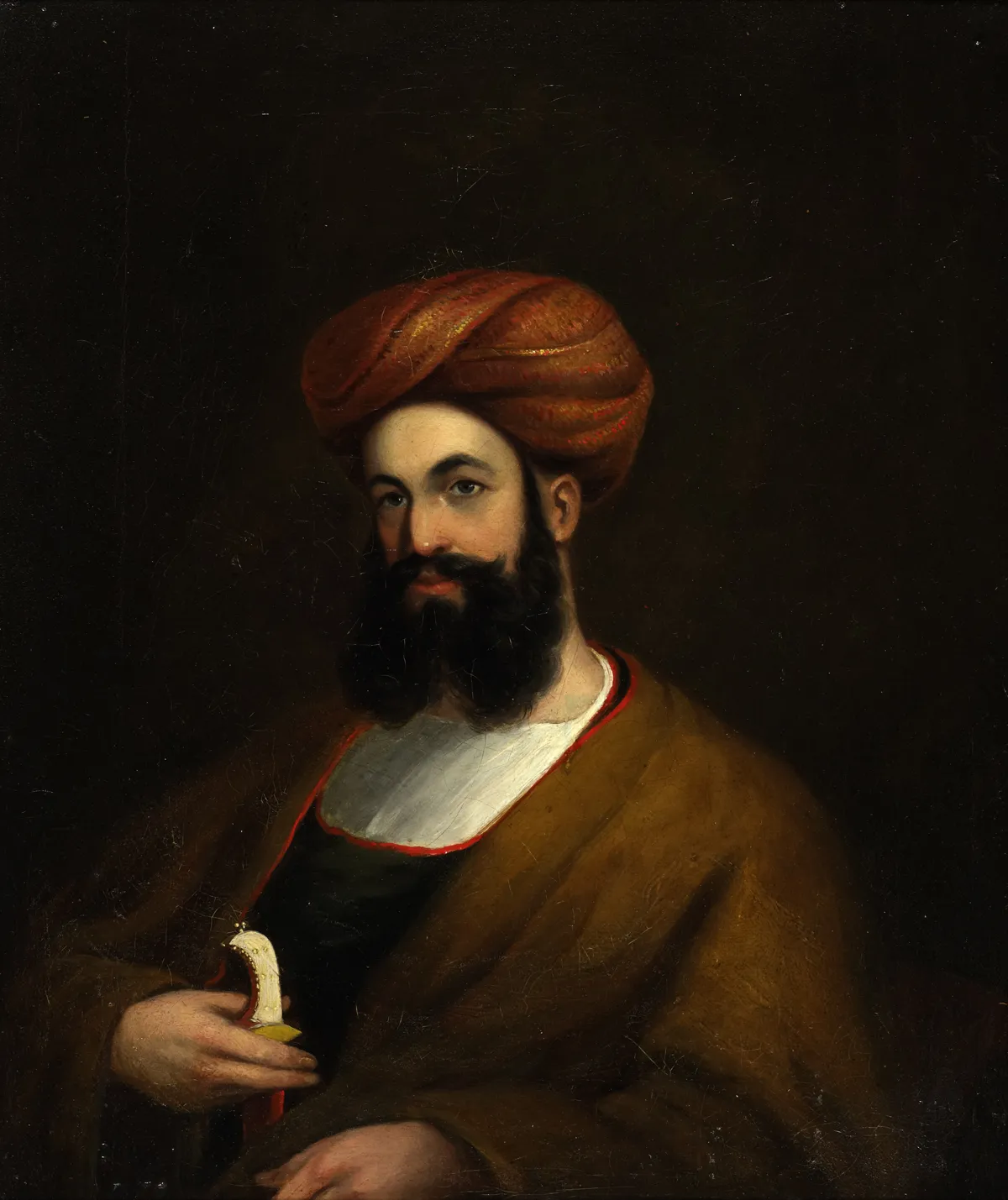
On 17 June 1842, both Stoddart and Conolly were beheaded. The charge against them was spying for the British Empire. Some accounts give 24 June, and the discrepancy has never been resolved. Britain’s government did not rush to confirm what had happened.
The Missionary
The one who went to find out was Joseph Wolff, an extraordinary man. He was born in 1795 in Germany into a Jewish family, converted to Christianity, became an Anglican, and travelled widely as a missionary. He called himself, and was called, “the missionary to the world.” In 1843 he set out to learn what had happened to the two officers.
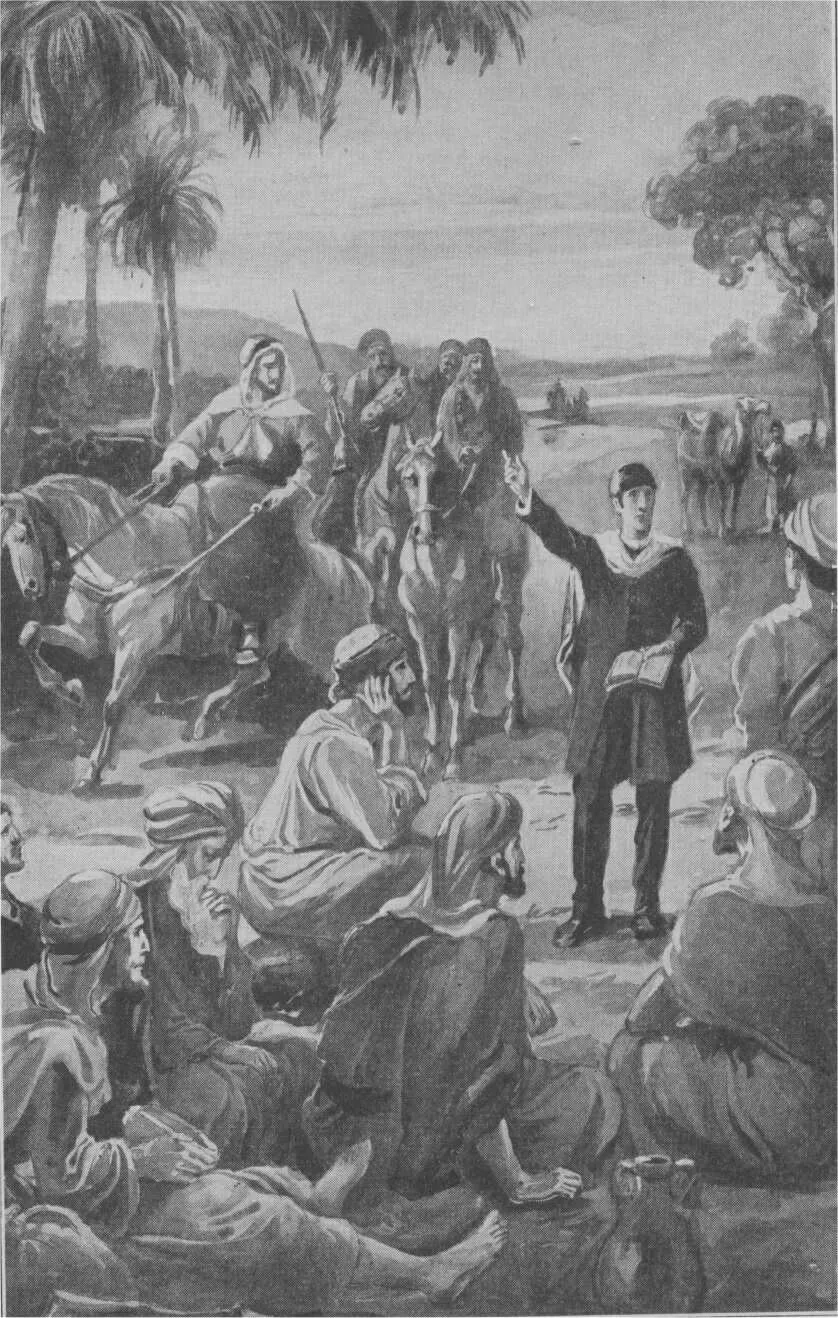
Wolff was no soldier and had no illusions about the danger. What he did was arrive in costume. He appeared in Bukhara in full canonical garb, the robes of an Anglican clergyman, with his Bible.
The Laugh
When Wolff was brought before the emir, the result was not the one that anyone expected. Nasrullah Khan looked at the clergyman in his robes and, according to Wolff’s own account, laughed uncontrollably. A man dressed like that was plainly no spy.
The laugh saved him. Wolff learned from the emir’s court that Stoddart and Conolly were dead, and he lived to say so. His life had depended on a ruler’s sense of the absurd.
The Book
Wolff’s account, Narrative of a Mission to Bokhara, in the Years 1843–1845, appeared in 1845. It sold well and was reprinted seven times between 1845 and 1852. It made Conolly and Stoddart household names in Britain for years. Wolff continued as a missionary until his death on 2 May 1862 at Isle Brewers in Somerset, when he was planning another mission.
Handling the Story
The story of the laughing emir comes from Wolff’s own narrative and the accounts that followed it, which are colourful and not always consistent. The central facts are firm: Stoddart and Conolly were imprisoned and executed in 1842, and Wolff went to Bukhara in clerical dress and was spared. The details of the laugh, and of how long Wolff was held, belong to the story as he told it.
In a game played by great powers, it was a clergyman with a Bible who survived the visit and a spy-catching emir who couldn’t help laughing.
What the Record Shows
8 sourced claims in this story, resting on 4 primary and historical records. Numbers link to the bibliography below.
- Colonel Charles Stoddart was arrested in Bukhara in 1838 - sources: 4
- Captain Arthur Conolly arrived in November 1841 to rescue Stoddart but was imprisoned in the bug pit - sources: 3
- Conolly coined the historical geopolitical term “the Great Game” in his personal correspondence - sources: 2, 3
- Both officers were beheaded on 17 June 1842 (some accounts say 24 June) - sources: 2
- Reverend Joseph Wolff travelled to Bukhara in 1843-1845 dressed in full Anglican academic canonical robes - sources: 5
- Emir Nasrullah Khan laughed uncontrollably on seeing Wolff’s elaborate clerical costume - sources: 5
- The Emir spared Wolff, who survived to publish his account - sources: 2, 5
- Wolff published his bestselling account Narrative of a Mission to Bokhara upon returning to England - sources: 2, 5
Archival Evidence & Picture Credits
Every image on this page was checked against its Wikimedia Commons file page.
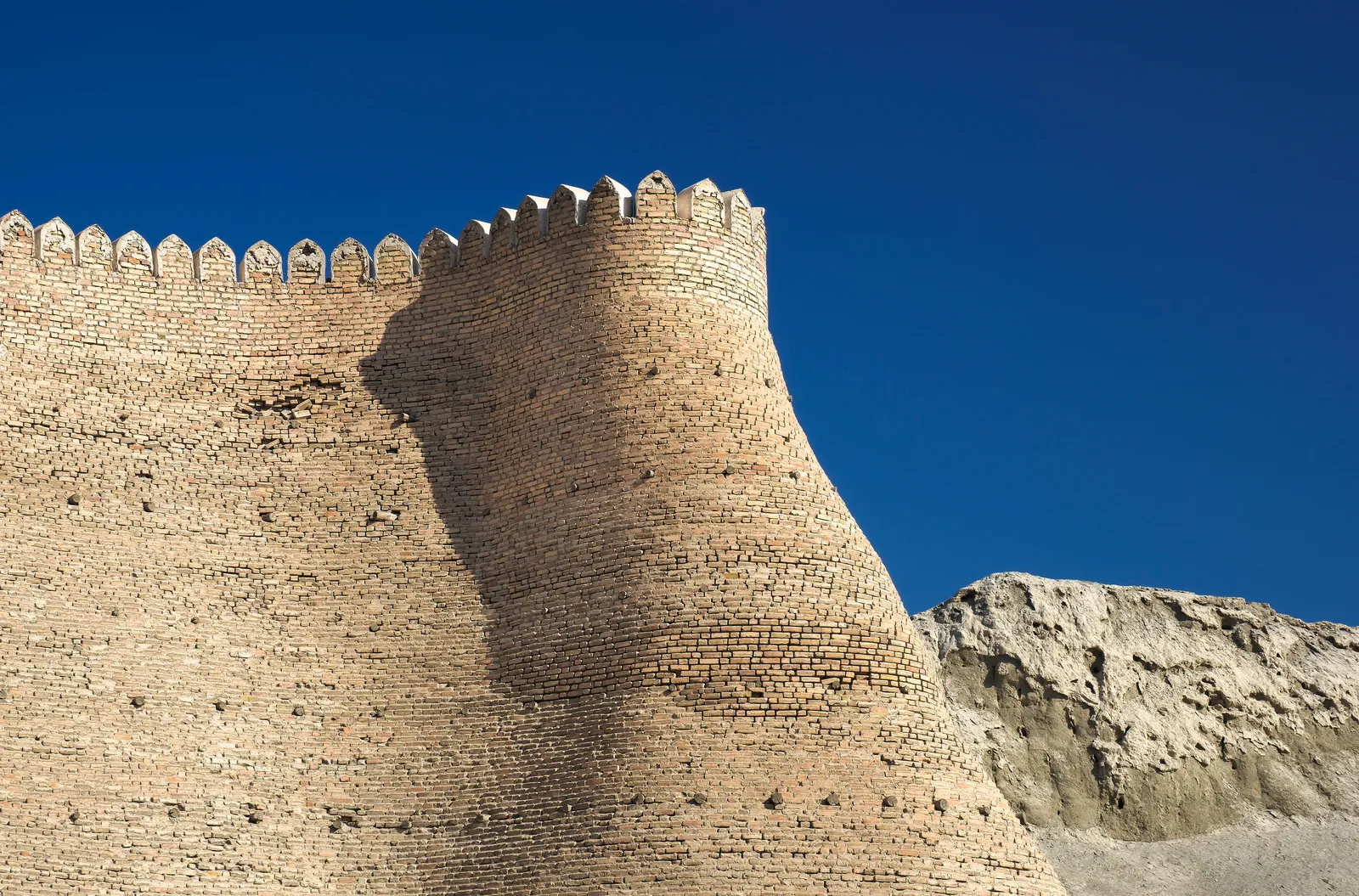
- The walls of the Ark, the citadel of Bukhara (Wikimedia Commons) - Wikimedia Commons file page
- Captain Arthur Conolly, the British officer who went to Bukhara to try to free Stoddart (Wikimedia Commons) - Wikimedia Commons file page
- The Reverend Joseph Wolff, who travelled to Bukhara in 1843 (Wikimedia Commons) - Wikimedia Commons file page


Verified Archival Sources & Bibliography
Every claim in this account has been fact-checked against primary archives and scholarly repositories:
- Internet Archive: The Great Game - The Struggle for Empire in Central Asia (Peter Hopkirk) (book)
- Wikipedia: Arthur Conolly (reference)
- Wikipedia: Charles Stoddart (reference)
- Internet Archive: Narrative of a Mission to Bokhara in the Years 1843–1845 (Rev. Joseph Wolff) (primary memoir)
Historical Connection Graph
Rumors Said Foreigners Were Eating Babies. Seoul Panicked.
AJ. "A Feared Emir Spared a Man Because He Couldn't Stop Laughing." Echoes of History Uncut. Last modified September 19, 2026. https://echoesofhistoryuncut.com/articles/bukhara-laughing-emir/.

An independent digital history publication and documentary studio reconstructing historical turning points through primary archives, official inquiries, and scholarly citations. Every factual claim in this dossier is cross-referenced to the numbered bibliography above.