
A Midnight Royal Summons Put Nepal's Kings in the Shadow for a Century
On 14 September 1846, Queen Rajya Laxmi Devi summoned Nepal's royal court to the Hanuman Dhoka palace armory after an assassination. General Jung Bahadur surrounded the courtyard, eliminating dozens of political rivals and seizing total control to launch the century-long hereditary Rana regime.
In this dossier (15 chapters) ▾
- 01 A Court Without a Ruler
- 02 The Murder of the General
- 03 The Night of the Kot
- 04 The Rise of Jung Bahadur
- 05 Who Jung Bahadur Was
- 06 The Morning After
- 07 The Bhandarkhal Plot
- 08 The Battle of Alau
- 09 Europe and the Law
- 10 The Rana Century
- 11 Not the End of the Monarchy
- 12 What the Night Shows
- 13 What the Record Shows
- 14 Archival Evidence & Picture Credits
- 15 Verified Archival Sources & Bibliography
Historical Dossier: The Kot Massacre of 1846 Location: Hanuman Dhoka Palace, Kathmandu, Nepal | Year: 14–15 September 1846 | Key Figures: Jung Bahadur Kunwar (Rana), Queen Rajya Laxmi Devi, King Rajendra Bikram Shah, Gagan Singh Bhandari, Fateh Jung Chautaria
A Court Without a Ruler
By 1845 Nepal’s government was unstable. In September of that year a coalition ministry was formed with Fateh Jung Chautaria as Prime Minister. The real power was not in his hands. It lay with General Gagan Singh Bhandari, who controlled seven regiments of the army, while the Prime Minister controlled only three.
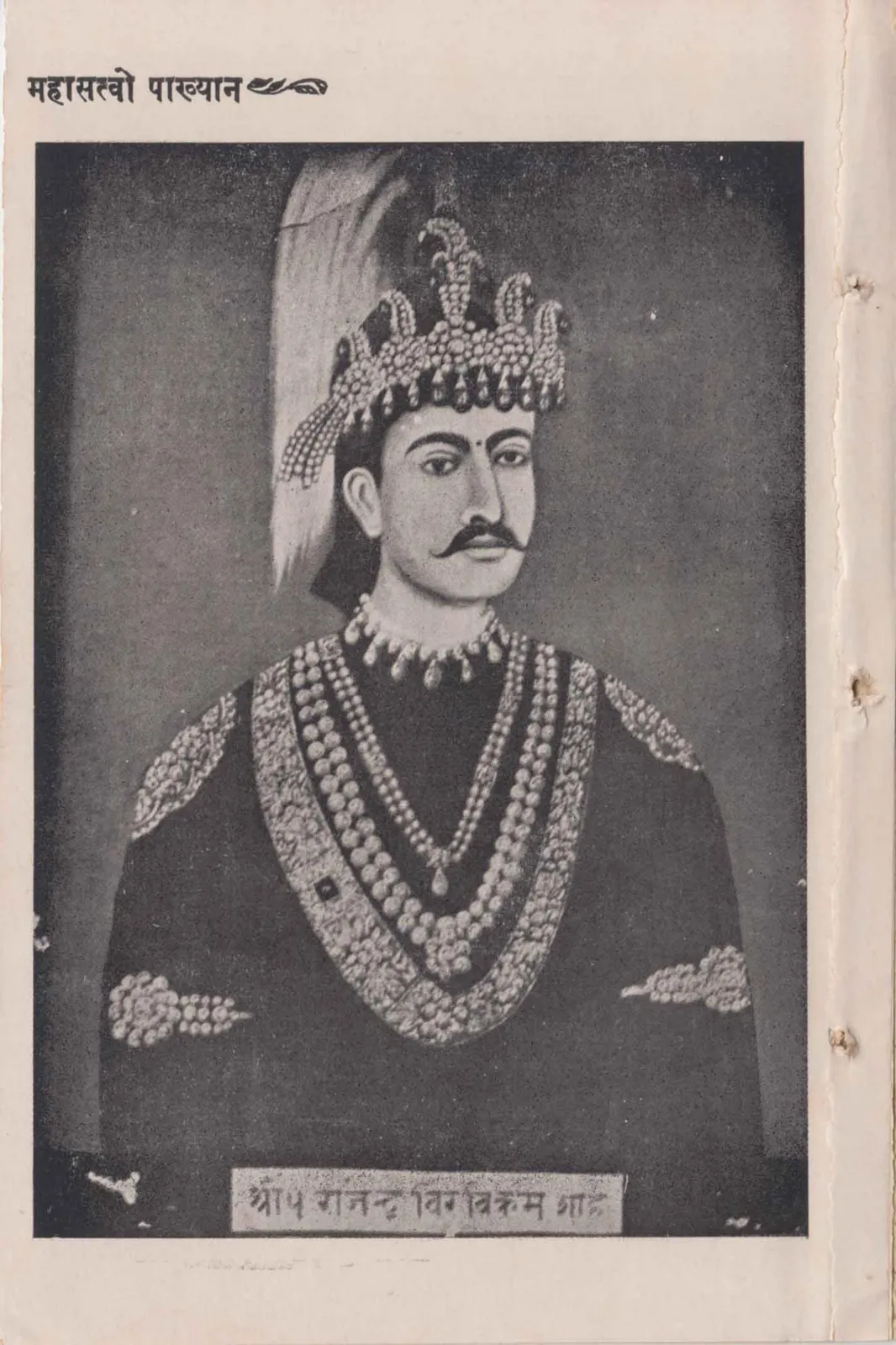
King Rajendra Bikram Shah was judged unfit to govern, and his younger queen, Rajya Laxmi Devi, ran the affairs of state. Factions of the old noble families, the Thapas, the Pandes and the Basnyats, plotted against one another, and the court was a place where influence rose and fell with each rumour.
The Murder of the General
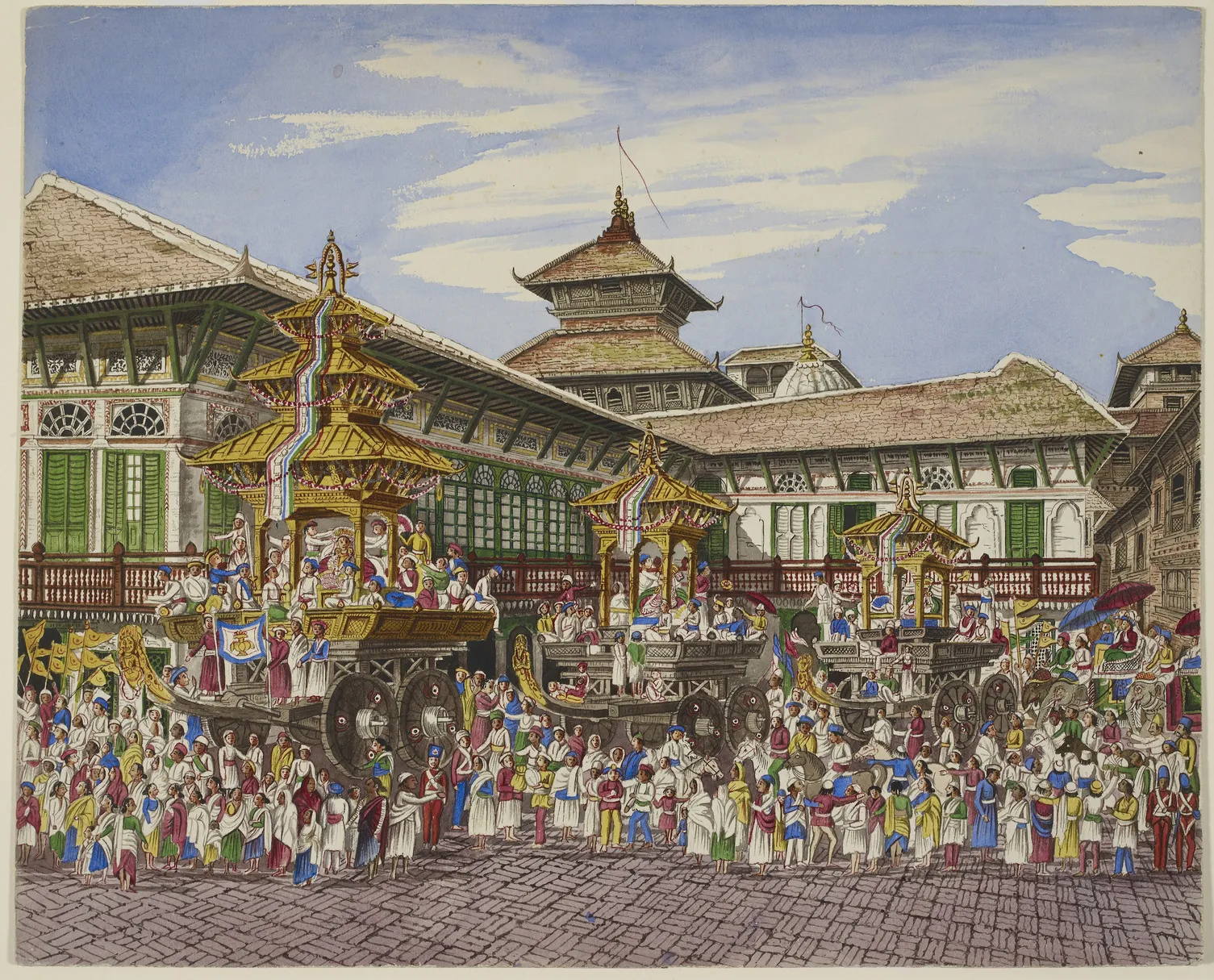
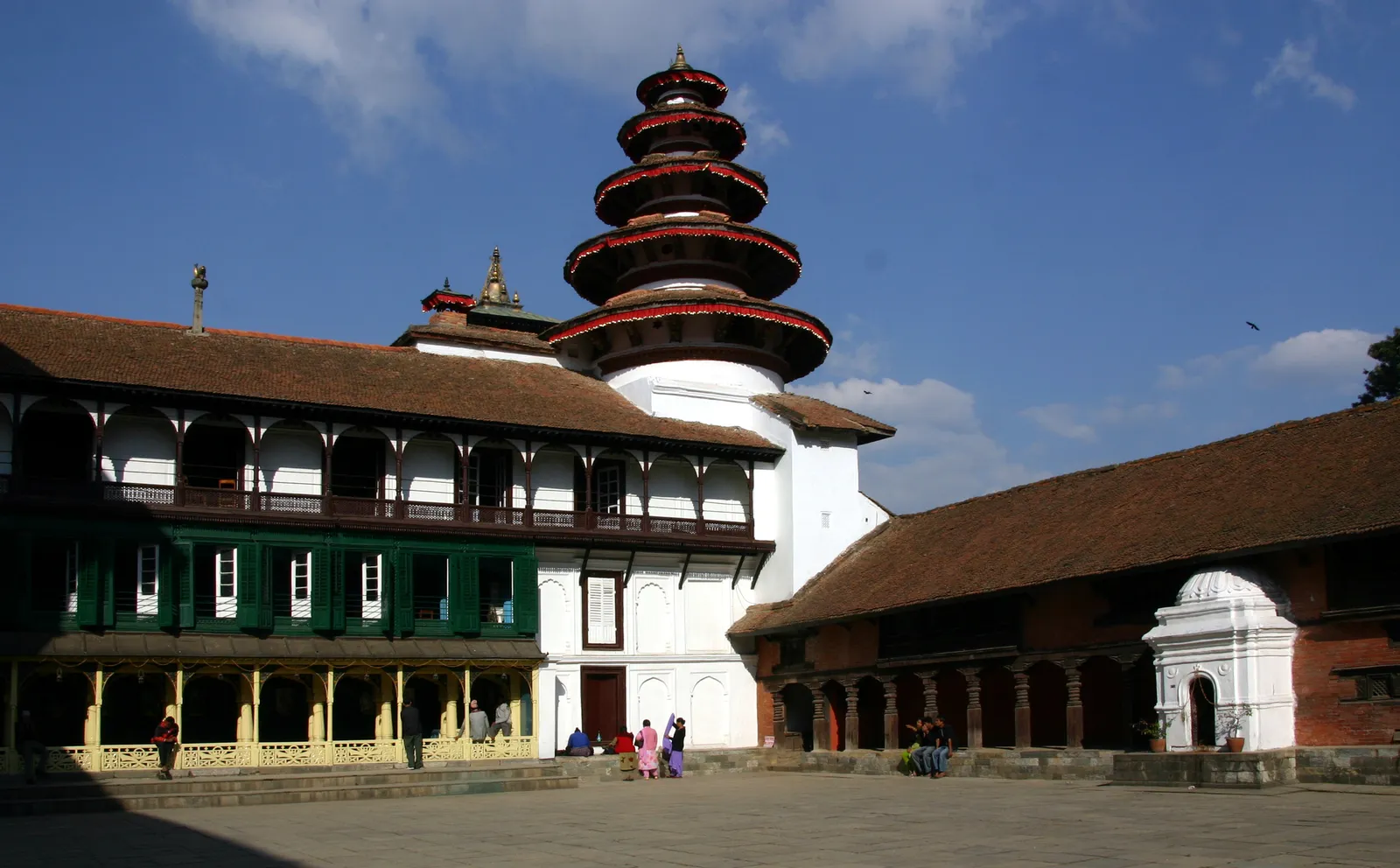
On the night of 14 September 1846 Gagan Singh Bhandari was found dead on the balcony of his palace. The Queen at once ordered the whole administrative establishment to come to the Kot, the palace armoury at Hanuman Dhoka in Kathmandu.
Jung Bahadur Kunwar, a rising military commander, took control of the situation at the gates. He ordered “his men to let people inside the Kot but not to let them out without Queen’s or his own orders.”
The Night of the Kot
Most of the courtiers came unarmed, in response to a hurried royal summons. The Queen made an emotional speech and demanded that Abhiman Singh Rana Magar execute Kaji Bir Keshar Pande, whom she suspected of murdering Gagan Singh.
Then the Prime Minister, Fateh Jung Shah, arrived with little protection, and the killing began. Abhiman Singh tried to leave and was killed. “Many Thapas, Pandes and Basnyats died, including Fateh Jung” and other senior figures. About 30 to 40 officials, officers and palace guards died, though the numbers vary between sources.
The Rise of Jung Bahadur
Jung Bahadur Rana was at once appointed Prime Minister. When the Queen later plotted against him, he arranged her downfall. She and the King were stripped of power and sent into exile in Varanasi, India.
In 1847 Jung put the King’s son, Surendra Bikram Shah, on the throne, and kept the deposed king in Bhadgaon under house arrest. Jung Bahadur then established the Rana dynasty, which ruled Nepal for more than a century.
Who Jung Bahadur Was
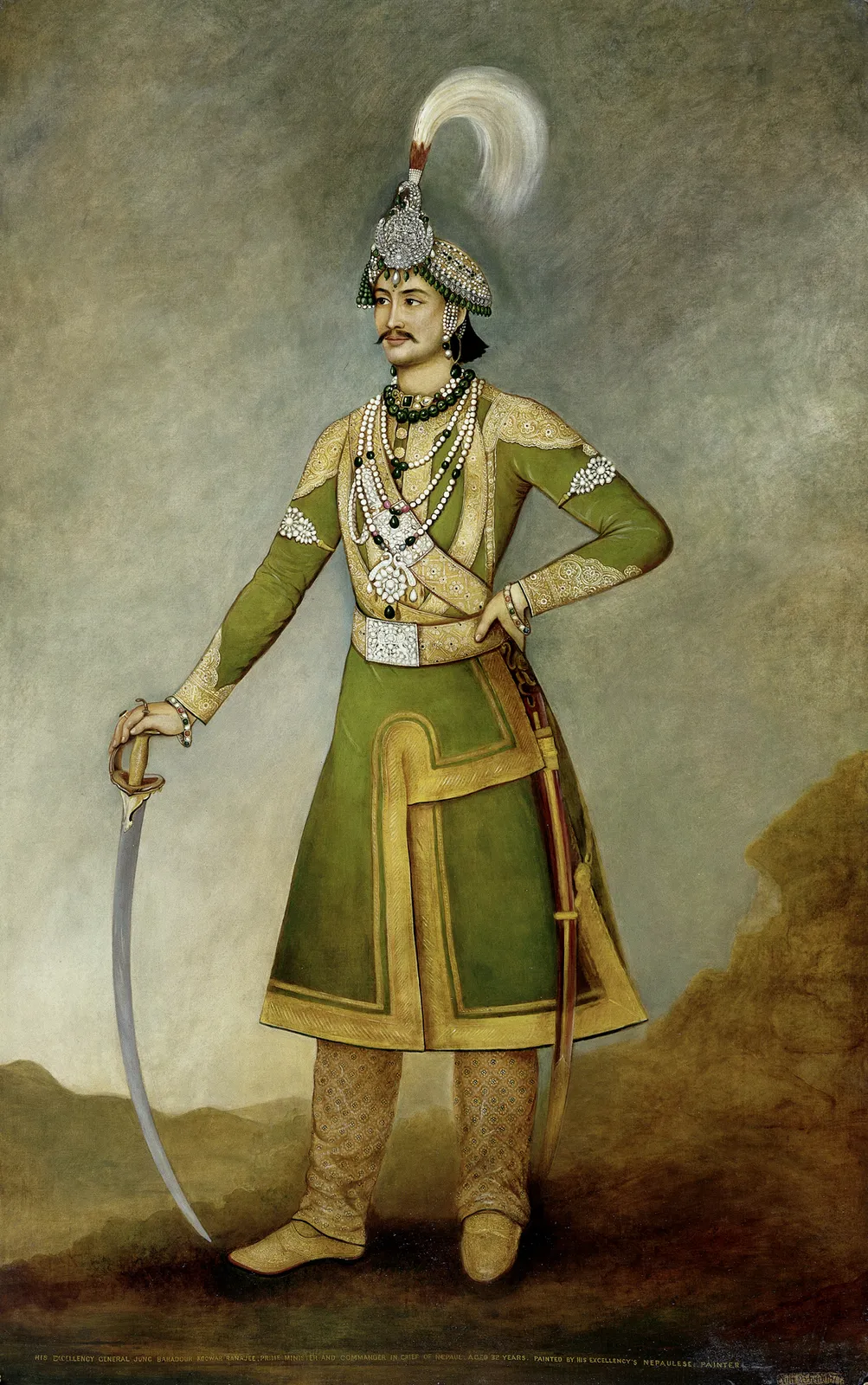
Jung Bahadur Rana was born Bir Narsingh Kunwar on 18 June 1817 at Balkot, in southern Nepal. His father, Bal Narsingh Kunwar, was a bodyguard of King Rana Bahadur Shah, and had been rewarded with the hereditary office of Kaji after executing the king’s half-brother, who had murdered the king. His mother, Ganesh Kumari, belonged to the powerful Thapa family: she was the sister of Mathabarsingh Thapa.
The family’s fortunes fell in 1837, when Bhimsen Thapa was dismissed. “All his relatives, including Bal Narsingh and Jung Bahadur, were also dismissed from their positions and had their properties seized.” Jung Bahadur worked as a mahout in the Terai before moving to Kathmandu in 1839.
His luck changed in 1840, when King Rajendra travelled to the Terai and Jung Bahadur “impressed the king with his audacious display.” He was made a captain and put in charge of the safety of the Crown Prince. A well-known story says that he leapt on horseback into the Trishuli River on the Prince’s orders. By 1841 he was a Kaji, working in the office of Kumarichowk, where he saw how Nepal’s finances were run, and he cultivated the youngest queen, who held the real power, the Crown Prince Surendra, and British officials including Henry Lawrence.
The Morning After
On 15 September, the day after the massacre, the Queen appointed Jung Bahadur Prime Minister and Commander-in-Chief. He told the British Resident what had happened and promised continued co-operation. Within days all the military and civil officers were summoned, and he put his brothers and nephews in the highest posts.
The Bhandarkhal Plot
In late 1846 the survivors of the Kot, helped by the Queen herself, conspired to kill him. The plan was to assassinate him at a gathering in the garden of Bhandarkhal. A palace informant, Putali Nani, warned him. When he was summoned to Bhandarkhal he came with armed troops, and “the conspirators began to flee. Twenty-three people were killed in the massacre, and fifteen escaped.” The Queen was imprisoned and deprived of her rights, and later exiled to Varanasi.
The Battle of Alau
The opposition gathered at Benares, where the exiled King Rajendra was joined by dissident nobles. Guru Prasad Shah of Palpa organised an armed force of about three thousand with royal support, and in July 1847 they moved to Alau, in Parsa district. At dawn on 28 July 1847, Jung Bahadur’s troops opened fire on the camp with cannon. “Around a hundred soldiers of the king were killed in the battle, and the king was captured and brought to Kathmandu.” That ended organised opposition.
Europe and the Law
In 1850 Jung Bahadur travelled to Britain and France. He left Calcutta on 15 January 1850, and reached Southampton on 15 May. On 19 June he met Queen Victoria, and he visited Parliament, where he watched the House of Commons at work. He asked for direct relations between Nepal and Britain, which the British refused, and then in France was told that such relations would also need British mediation. He returned to Nepal on 29 January 1851.
He was impressed by the British legal system. On 6 January 1854 he enacted the Muluki Ain, Nepal’s first comprehensive legal code, written by a commission of about two hundred. It dealt with court procedure and punishments, but “did not address the issue of caste inequality.” In 1856 he was given the title Maharaja of Lamjung and Kaski and a decree, a sanad, from King Surendra that gave him sovereign powers over Nepal’s government and made the monarchy ceremonial.
The Rana Century
The Rana system lasted 104 years. Prime ministers were drawn from Jung Bahadur’s family, and his relatives added “Rana” to their names. In 1857 he sent Gurkha troops to help the British during the Indian Rebellion, and received honours including the Knight Grand Cross of the Order of the Bath in 1858. In 1859 he gave asylum to Begum Hazrat Mahal of Awadh and her son.
Jung Bahadur died on 25 February 1877, aged 59. The Rana regime ended in the revolution of 1950 and 1951, which brought a constitutional monarchy. Historians disagree about how to judge him: some blame him for the autocracy, while others blame his successors, the Shumsher Ranas, for its worst excesses. Rana rule is “often associated with tyranny, debauchery, economic exploitation, and religious persecution”, but his legal and other reforms mattered too.
Not the End of the Monarchy
It is sometimes said that the Kot massacre ended the monarchy of Nepal. It did not. The Shah kings remained on the throne, and their descendants reigned until 2008. What ended was the monarchs’ real power. For about a hundred years the kings were figureheads while the Rana prime ministers, a hereditary office held by Jung Bahadur’s family, ran the country.
What the Night Shows
The massacre removed a generation of rival noble families in one night and opened the way for the Rana regime. It also shows how a political order can be destroyed by a summons: the nobles walked unarmed into a palace, and the doors were closed behind them. The accounts of the night differ in detail, and the death toll is uncertain, but there is no doubt about the outcome.
What the Record Shows
5 sourced claims in this story, resting on 4 sources. Numbers link to the bibliography below.
- The Kot massacre took place on 14 September 1846 in Kathmandu Nepal following a royal summons - sources: 1, 3, 4
- Queen Rajya Laxmi Devi ordered court officials to assemble at the Hanuman Dhoka Kot armory after General Gagan Singh Bhandari was murdered - sources: 1, 3
- Courtiers gathered at the Kot courtyard where troops loyal to Jung Bahadur controlled the entrances - sources: 1, 3
- Between 30 and 40 officials including Prime Minister Chautariya Fateh Jung Shah were killed in the Kot massacre - sources: 1, 3
- Jung Bahadur Kunwar became prime minister and founded the Rana dynasty following the Kot massacre - sources: 1, 2, 3, 4
Archival Evidence & Picture Credits
Every image on this page was checked against its Wikimedia Commons file page.
- King Rajendra Bir Bikram Shah Dev of Nepal (Wikimedia Commons) - Wikimedia Commons file page
- Hanuman Dhoka, the old palace in Kathmandu, in a painting from the Oldfield collection (1850–1863) (British Library / Wikimedia Commons) - Wikimedia Commons file page
- A historical illustration of the Kot Massacre of 1846 (Wikimedia Commons) - Wikimedia Commons file page
- Jung Bahadur Rana, in a portrait painted in 1849 by Bhajuman Chitrakar (Wikimedia Commons) - Wikimedia Commons file page
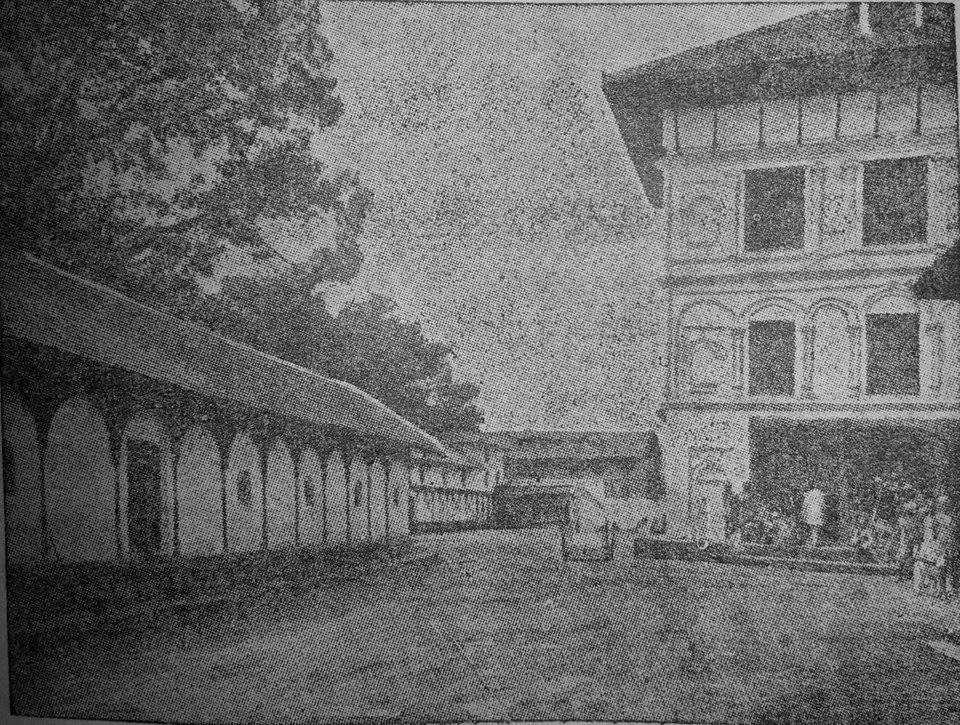
- Nasal Chowk, a courtyard of the Hanuman Dhoka palace in Kathmandu (Wikimedia Commons) - Wikimedia Commons file page


Verified Archival Sources & Bibliography
- Wikipedia: Kot massacre (reference)
- Wikipedia: Jung Bahadur Rana (reference)
- Library of Congress Country Studies: Nepal and Bhutan (book)
- Diplomacy of Jung Bahadur Rana: A Strategic Adaptation in 19th Century Nepal (book)
Historical Connection Graph
Rumors Said Foreigners Were Eating Babies. Seoul Panicked.
AJ. "A Midnight Royal Summons Put Nepal's Kings in the Shadow for a Century." Echoes of History Uncut. Last modified October 2, 2026. https://echoesofhistoryuncut.com/articles/kot-massacre-nepal-1846/.

An independent digital history publication and documentary studio reconstructing historical turning points through primary archives, official inquiries, and scholarly citations. Every factual claim in this dossier is cross-referenced to the numbered bibliography above.