
The Ship That Rescued the Titanic Survivors Met a Deadlier Fate.
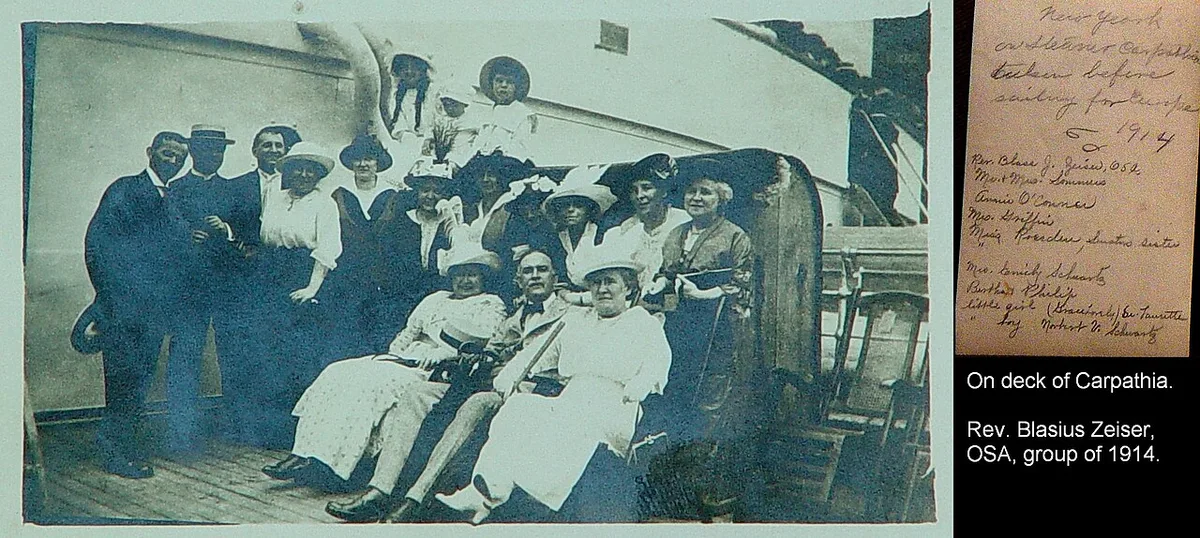
On April 14, 1912, after ice ripped nearly 300 feet of hull open on the maiden voyage of RMS Titanic, only 705 survivors made it off the sinking liner. Racing four hours through dark iceberg-choked waters to arrive at 4:00 a.m., Captain Arthur Henry Rostron and the Cunard steamship RMS Carpathia turned their passenger vessel into an improvised floating rescue station.
In this dossier (9 chapters) ▾
- 01 Sixteen Watertight Compartments and Three Hundred Feet of Torn Hull
- 02 Four Hours Through the Ice Field
- 03 Turning a Passenger Steamer Into a Hospital
- 04 Captain Arthur Henry Rostron
- 05 Two Torpedoes in the Celtic Sea
- 06 Why It Matters
- 07 What the Record Shows
- 08 Archival Evidence & Picture Credits
- 09 Verified Archival Sources & Bibliography
Historical Dossier: The Rescue Mission and Wartime Sinking of RMS Carpathia Location: North Atlantic Ocean & Celtic Sea | Year: 15 April 1912 (Sunk 17 July 1918) | Key Figures: Captain Arthur Henry Rostron, RMS Carpathia Crew, Margaret “Molly” Brown
Sixteen Watertight Compartments and Three Hundred Feet of Torn Hull
On April 14, 1912, the RMS Titanic struck an iceberg in the North Atlantic during her maiden voyage to the United States. At the time of her construction, the White Star liner was the largest ship ever built, engineered with sixteen major watertight compartments that designers believed made the vessel virtually unsinkable.
Yet the glancing collision in the dark damaged nearly 300 feet of the ship’s starboard hull, breaching more compartments than the vessel could flood and remain afloat. As the freezing Atlantic poured into the forward holds, the great liner went down in the early hours of the morning—and of everyone aboard, only 705 survivors ever reached their destination.
Four Hours Through the Ice Field
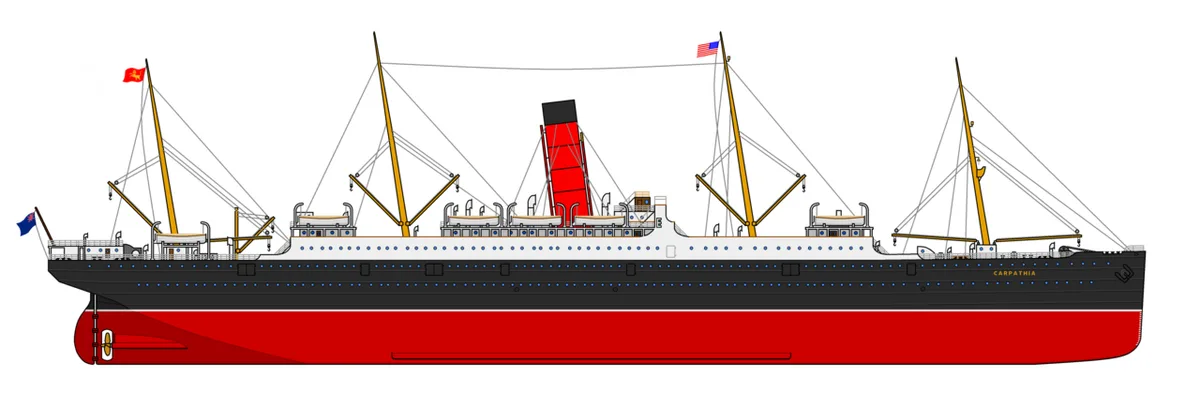
Across miles of dark water, the Cunard Line transatlantic passenger steamship RMS Carpathia picked up the distress traffic. Many passenger ships carried wireless equipment in 1912, though at the time the technology was installed primarily for passenger convenience—sending personal telegrams and commercial messages—rather than as a dedicated round-the-clock maritime safety net.
Once the distress coordinates were confirmed, Carpathia altered course and drove hard toward the Titanic’s last known position. Pushing her engines while lookouts scanned the blackness ahead, the Cunard steamer successfully dodged icebergs through the same lethal ice field that had doomed the larger liner, reaching the Titanic’s location in four hours at 4:00 a.m.
Turning a Passenger Steamer Into a Hospital
While Carpathia raced through the night, her rescue preparations became a masterpiece of maritime multitasking. Before a single lifeboat came alongside, the ship’s public dining saloons, lounges, and officers’ cabins were systematically converted into warm recovery wards stocked with blankets, hot broth, and medical supplies.
At the gangways, crewmen rigged chair slings, canvas bags, and hoisting apparatuses to lift exhausted children and injured passengers out of the pitching boats floating below. As day broke across the ice-strewn sea, the Titanic’s lifeboats were hauled up one by one to the Carpathia, bringing all 705 survivors safely aboard.
Captain Arthur Henry Rostron
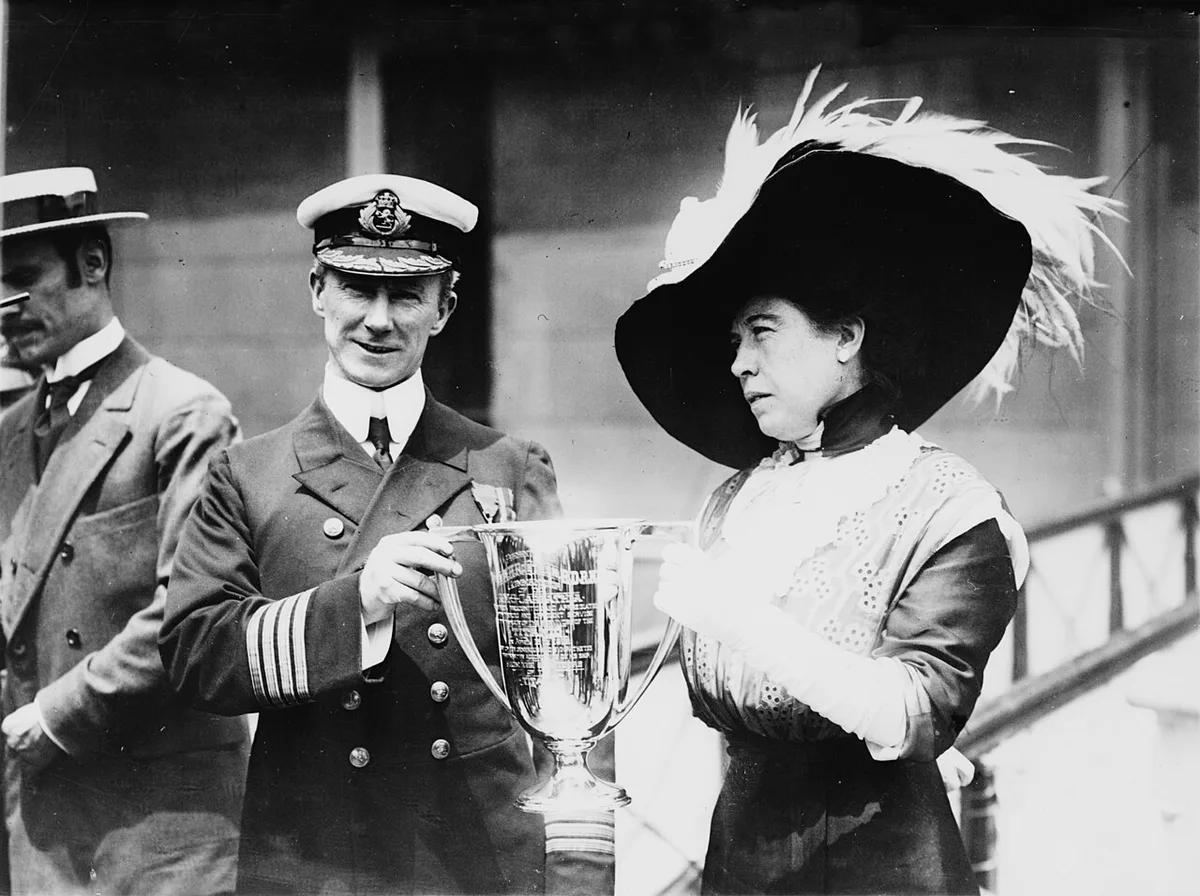
The man who orchestrated that four-hour sprint was Captain Arthur Henry Rostron. Born in Bolton, North West England, in 1869, Rostron had gone to sea young, joined the Cunard Line in 1895—serving first as fourth officer on RMS Umbria—and took command as captain of the Carpathia in 1905.
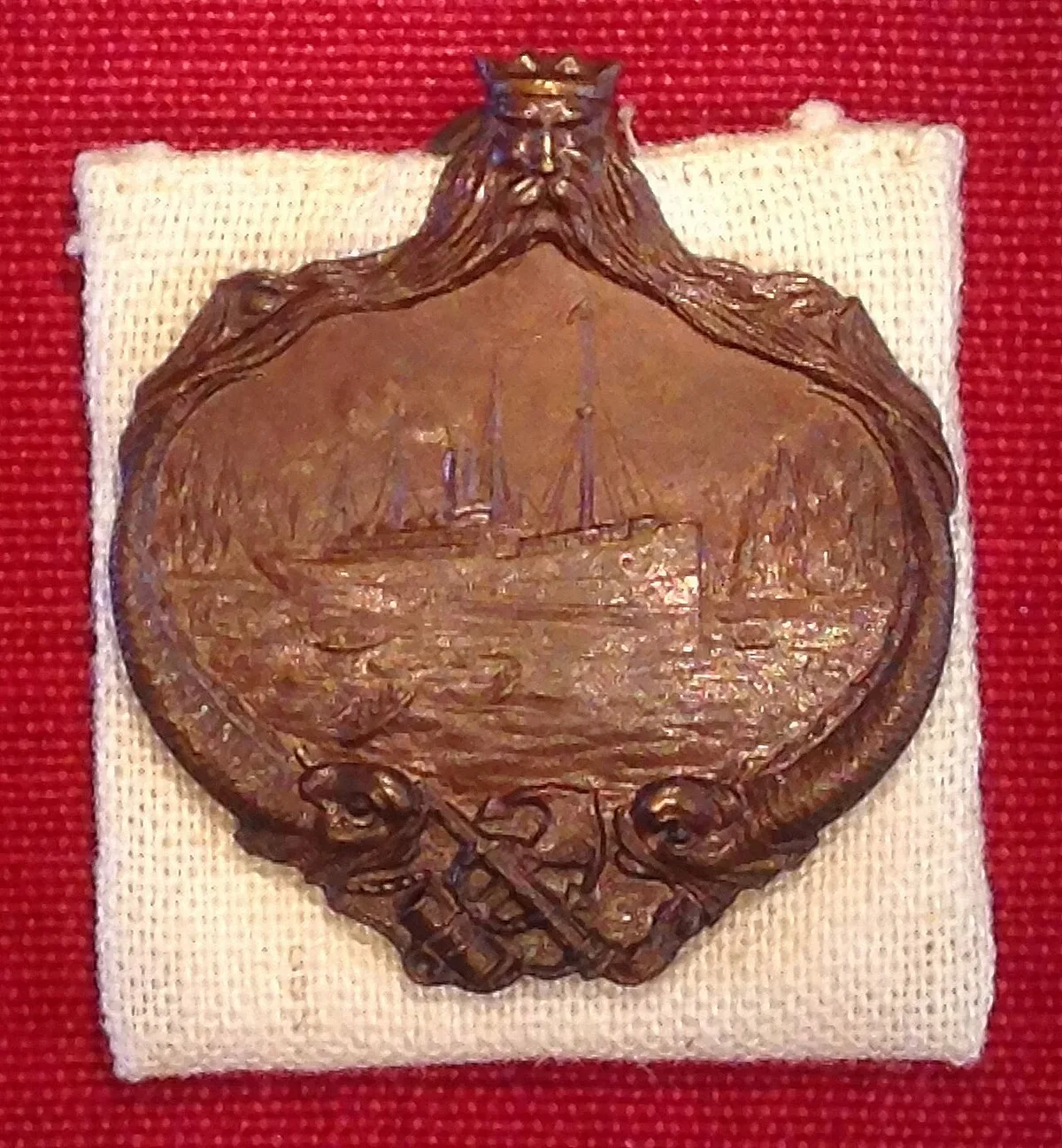
Known among his peers for brisk, methodical discipline (though he had once raised eyebrows by claiming to have sighted a sea serpent while serving as chief officer on Campania in 1907), Rostron’s decisive orders on the morning of April 15 earned him universal praise and international celebrity. Survivors, led by Margaret “Molly” Brown, presented Rostron and his crew with commemorative medals and a silver loving cup for their valor.
Two Torpedoes in the Celtic Sea
Two years after her triumph in the ice fields, the First World War transformed the Atlantic into a hunting ground. The British government requisitioned RMS Carpathia for wartime service as a troopship and supply vessel ferrying soldiers and cargo between North America and Europe.
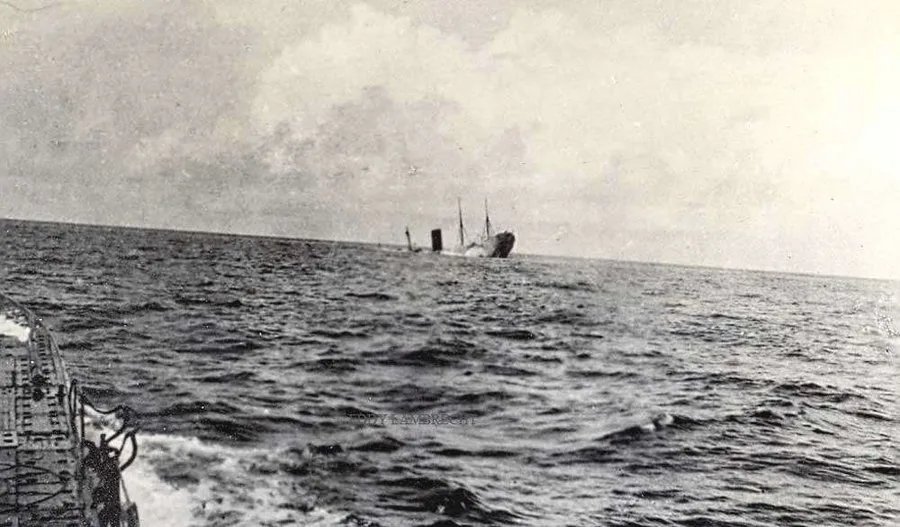
On July 17, 1918, while steaming in the Celtic Sea off Ireland’s south coast, Carpathia was ambushed and struck by two torpedoes fired by the German submarine U-55. Mortally wounded by the twin explosions, the ship that had saved the Titanic’s survivors sank at 11:00 a.m. Today, her wreck—whose confirmed location was announced by author and explorer Clive Cussler in 2000 and is owned by Premier Exhibitions Inc.—rests on the seabed off the Irish coast.
Why It Matters
The night RMS Carpathia steamed into the ice field exposed a stark truth of early twentieth-century ocean travel: wireless telegraphy had been treated as a luxury for wealthy passengers rather than a lifeline, leaving ships blind to disasters unfolding just beyond the horizon. Rostron’s disciplined preparation—turning every spare cabin and gangway into a rescue apparatus while dodging icebergs in the dark—saved 705 lives and helped usher in mandatory 24-hour radio watches and the International Ice Patrol. That the rescue ship herself was torpedoed six years later in the Celtic Sea stands as a poignant reminder of how quickly the gilded era of ocean liners gave way to total war at sea.
What the Record Shows
28 sourced claims in this story, resting on 7 sources. Numbers link to the bibliography below.
- Only 705 of those aboard the Titanic reached their destination. - source: 1
- The Titanic was the largest ship ever built at the time of its construction. - source: 1
- The Titanic had sixteen major watertight compartments. - source: 1
- The collision damaged nearly 300 feet of the ship’s hull. - source: 1
- The Titanic sank on April 14, 1912. - source: 1
- The Titanic was on her maiden voyage to the United States. - source: 1
- RMS Carpathia was a Cunard Line transatlantic passenger steamship. - source: 2
- Carpathia became famous for rescuing survivors of the RMS Titanic in April 1912. - source: 2
- Many ships carried wireless equipment in 1912, primarily for passenger convenience rather than safety. - source: 3
- Carpathia successfully dodged icebergs during its rescue efforts. - source: 3
- RMS Carpathia reached RMS Titanic’s location in four hours at 4am. - source: 4
- The Titanic’s boats were being hauled up to the Carpathia. - source: 5
- Carpathia’s rescue preparations were a masterpiece of multitasking. - source: 3
- Public areas and officers’ cabins were converted into spaces for survivors to recover. - source: 3
- Chair clings and other apparatuses were constructed in the gangway to hoist aboard children and the injured. - source: 3
- Captain Arthur Henry Rostron was born in Bolton, North West England, in 1869. - source: 3
- Rostron joined the Cunard Line in 1895 and served as fourth officer on RMS Umbria. - source: 3
- Rostron became captain of the Carpathia in 1905. - source: 3
- Rostron achieved universal praise and celebrity for his efforts to rescue Titanic survivors. - source: 3
- Rostron claimed to have sighted a sea serpent while serving as chief officer on Campania in 1907. - source: 3
- Carpathia was requisitioned by the British government for use as a troopship during World War I. - source: 3
- The Carpathia sank after being torpedoed twice by a German U-boat off Ireland’s south coast. - source: 6
- The Carpathia sank in 1918. - source: 6
- RMS Carpathia reportedly sank at 11:00am. - source: 4
- The Carpathia was hit by two torpedoes from a German U-boat. - source: 7
- Clive Cussler announced the true wreck of Carpathia in 2000. - source: 2
- The wreck of Carpathia is owned by Premier Exhibitions Inc. - source: 2
- RMS Carpathia was torpedoed by U-55 on July 17, 1918, in the Celtic Sea. - source: 4
Archival Evidence & Picture Credits
Every image on this page was checked against its Wikimedia Commons file page.
- Passengers on deck of RMS Carpathia, 1914 (Public domain, RMS Carpathia official photographer) - Wikimedia Commons file page
- RMS Carpathia drawing (CC BY-SA 4.0, Mark Gasoline) - Wikimedia Commons file page
- RMS Carpathia Medal cropped and retouched (CC BY-SA 3.0, Canley) - Wikimedia Commons file page
- RMS Carpathia at sea (Public domain, Unknown author) - Wikimedia Commons file page
- RMS Carpathia Sinking, 1918 (Public domain, Unknown author) - Wikimedia Commons file page
- Molly Brown presenting rescue award to Captain Rostron (Public domain, Bain News Service) - Wikimedia Commons file page


Verified Archival Sources & Bibliography
Every claim in this account has been fact-checked against primary archives and scholarly repositories:
- Academia.edu — Archival Study of the Sinking of RMS Titanic and Survivor Rescue (primary)
- History.com — 5 Things You May Not Know About Titanic’s Rescue Ship (reference)
- RMS Titanic Hotel Maritime Archive — History of RMS Carpathia (reference)
- Internet Archive — Sir James Bisset, Tramps and Ladies: My Early Years in Steamers (primary)
- BBC News — Titanic Rescue Ship Found Off Irish Coast (news)
- National Underwater and Marine Agency (NUMA) — RMS Carpathia Wreck Expedition Report (reference)
Historical Connection Graph
Crushed by Antarctic Ice, 28 Men Survived Five Months on Drifting Floes
AJ. "The Ship That Rescued the Titanic Survivors Met a Deadlier Fate.." Echoes of History Uncut. Last modified October 23, 2026. https://echoesofhistoryuncut.com/articles/rms-carpathia/.

An independent digital history publication and documentary studio reconstructing historical turning points through primary archives, official inquiries, and scholarly citations. Every factual claim in this dossier is cross-referenced to the numbered bibliography above.