
A Firework Scared the Crowd. Their Floating Shrine Sank.
On July 2, 1993, during the annual fluvial parade in Bocaue, Bulacan, an overloaded multi-deck floating pagoda carrying nearly one thousand Catholic pilgrims suddenly capsized when a stray firework sparked mass panic. Over two hundred devotees drowned in the murky river, immortalizing 13-year-old Boy Scout hero Sajid Bulig.
In this dossier (9 chapters) ▾
- 01 A Festival on the Water
- 02 A Structure Not Made for a Crowd
- 03 The Night of 2 July 1993
- 04 The Toll and the Heroism of Sajid Bulig
- 05 After 1993: Two Decades of Mourning and Reform
- 06 What the Tragedy Teaches
- 07 What the Record Shows
- 08 Archival Evidence & Picture Credits
- 09 Verified Archival Sources & Bibliography
Historical Dossier: The Bocaue Pagoda Tragedy Location: Bocaue River, Bocaue, Bulacan, Philippines | Year: 2 July 1993 | Key Figures: The devotees of the Krus sa Wawa, Sahjid S. Bulig
A Festival on the Water
Every year the riverside town of Bocaue, in Bulacan province in the Philippines, celebrates the Feast of the Holy Cross of Wawa, known in Filipino as Krus sa Wawa. The festival is one of the great religious events of the region. Its climax is a river procession, in which a decorated floating shrine called the Pagoda is carried along the Bocaue River.
Local tradition traces the festival to the middle of the nineteenth century, to a wooden cross said to have been rescued from a dangerous eddy in the river. The cross became the object of an annual devotion, and the river procession grew up around it. By the 1990s the Pagoda had become the centre of a crowded, joyful event, with hundreds of smaller boats escorting it down the Bocaue River.
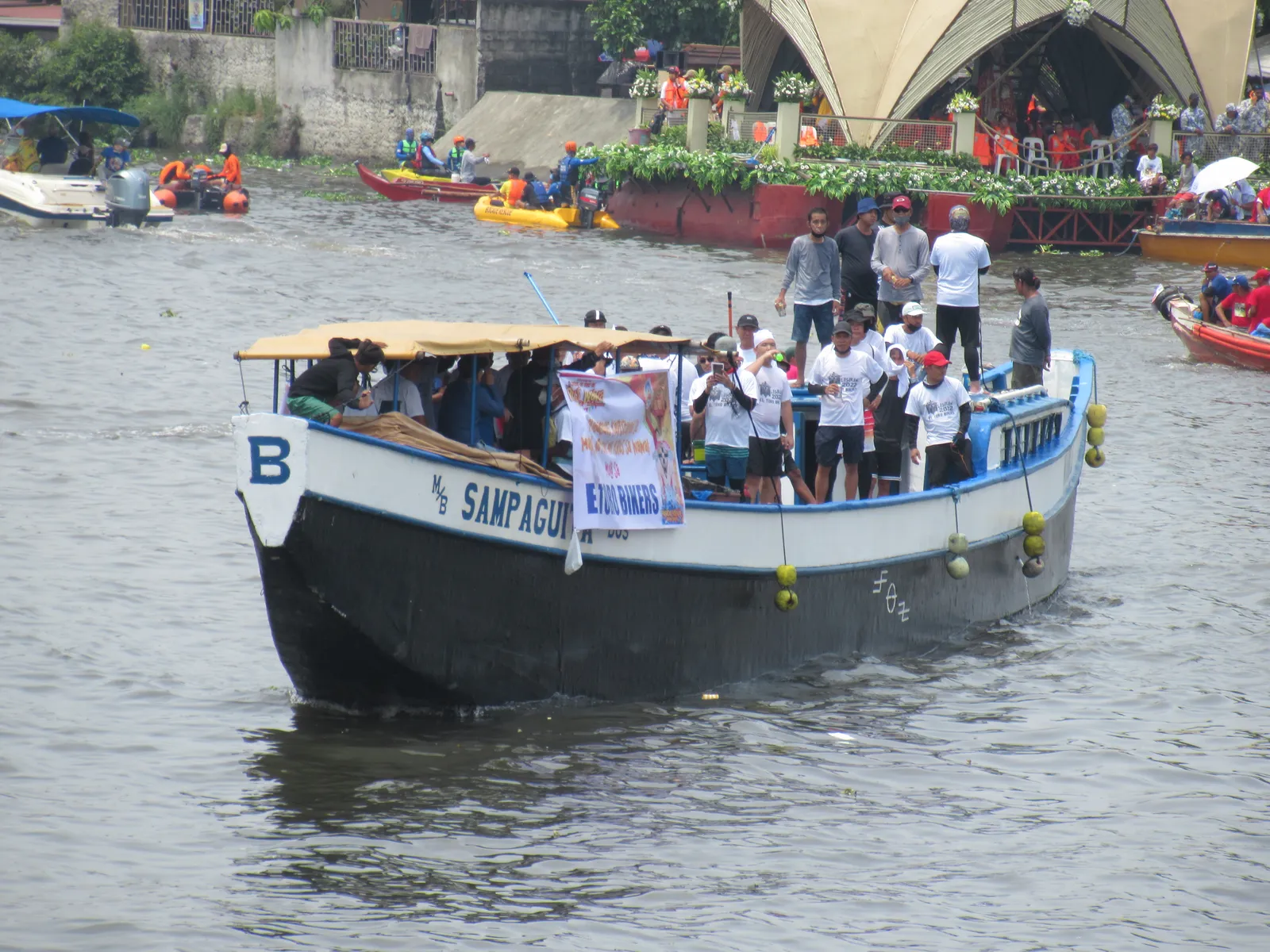
The pagoda is built by lashing together fishing boats or barges and mounting a wooden temple on top. In 1993 it was a wooden structure about 20 feet high on a barge.
A Structure Not Made for a Crowd
The floating pagoda was a work of communal devotion and local carpentry—a multi-level wooden pavilion erected across lashed barges with heavy canvas awnings, ornate arches, electric generator lighting, and brass band platforms. Yet neither the wooden superstructure nor the underlying hulls had undergone formal marine engineering certification for mass passenger stability. As thousands of pilgrims converged along the riverbanks on the afternoon of July 2, 1993, boarding went largely unchecked. Contemporary dispatches from United Press International and The New York Times later confirmed that between 800 and 1,000 people—several times the safe carrying capacity of the craft—had crowded onto the decks before the procession cast off.
The Night of 2 July 1993
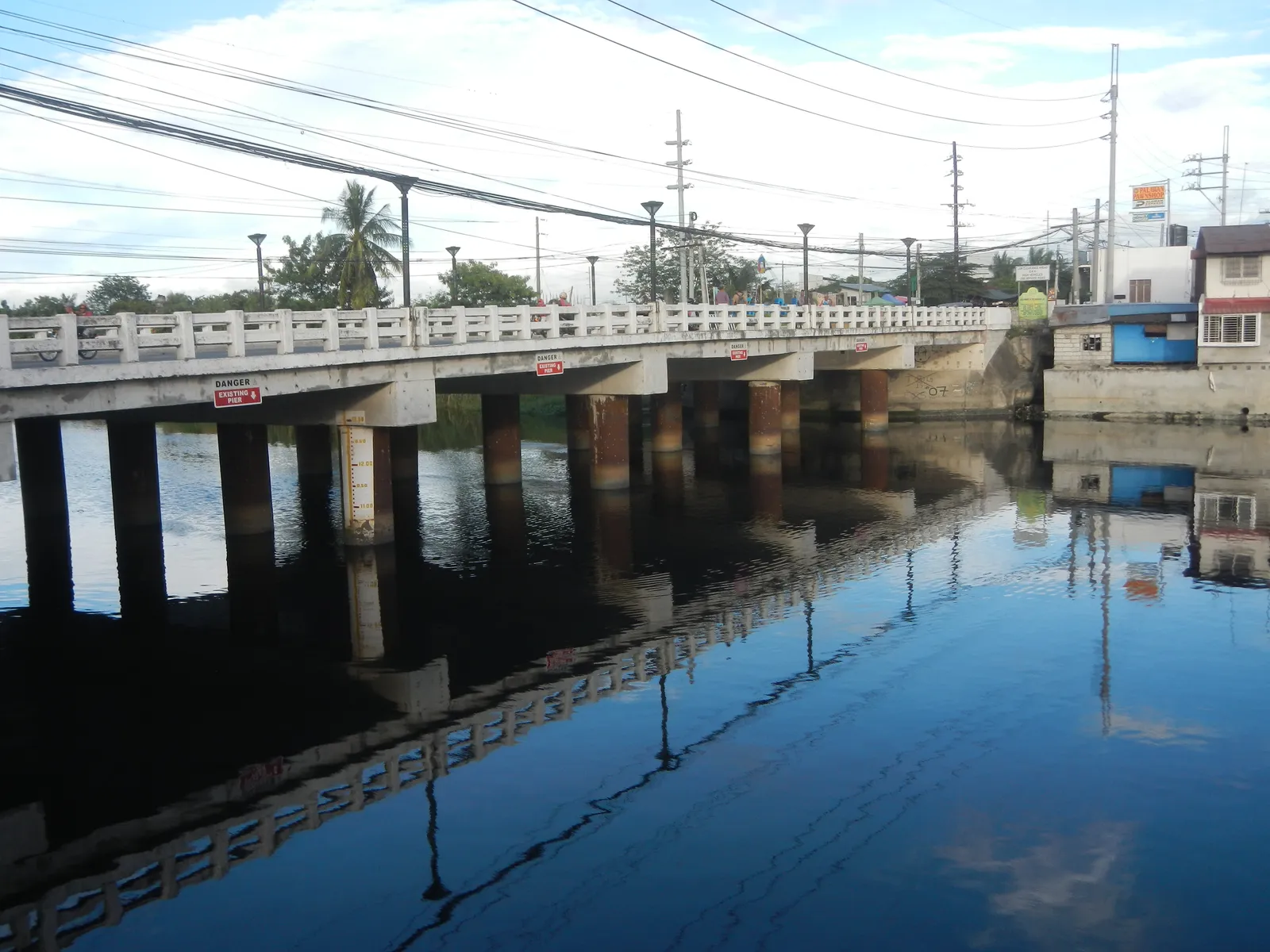
On the evening of Friday, 2 July 1993, the illuminated pagoda glided out onto the dark waters of the Bocaue River between the barangays of Bunlo and Bambang, surrounded by dozens of smaller outrigger bancas and cheering crowds lining the shore. Aboard the top and main decks stood hundreds of families, elderly devotees, musicians, and children singing hymns around the Krus sa Wawa.
Between 8:15 and 8:50 p.m., as the top-heavy barge moved down the middle of the channel, a stray skyrocket (kwitis) fired during the festivities streaked toward the upper level of the shrine. Startled by the sparks and fear of fire, hundreds of passengers surged simultaneously toward the opposite side of the deck. That sudden lateral shift of human weight pushed the port side of the barge beneath the waterline. As river water rushed across the lower platform, the people on board panicked as they heard the loud crack of splitting timber. Within moments, the multi-story wooden scaffolding collapsed inward and sank into the deep, muddy riverbed, trapping hundreds of non-swimmers beneath heavy canvas tarpaulins and tangled lumber in pitch darkness.
The Toll and the Heroism of Sajid Bulig
Between 226 and 279 devotees perished in the murky water—most of them women and children who had been gathered near the center of the shrine. Fishermen and villagers dove repeatedly into the black river by flashlight to pull survivors from the submerged framework.
Among those on the riverbank that night was thirteen-year-old Sahjid S. Bulig, a trained Boy Scout from Bambang who was a strong swimmer. Hearing the cries of children trapped around the sinking pagoda, Bulig dove into the river again and again, swimming five children to safety on the bank and pulling a sixth child out of the water before diving back one final time, when falling timber struck him and he drowned in the wreckage. On 31 October 1993, Bulig was posthumously awarded the Boy Scouts of the Philippines Gold Medal of Honor—the organization’s highest citation for heroism—as well as the Presidential Award of Heroism by President Fidel V. Ramos.
After 1993: Two Decades of Mourning and Reform
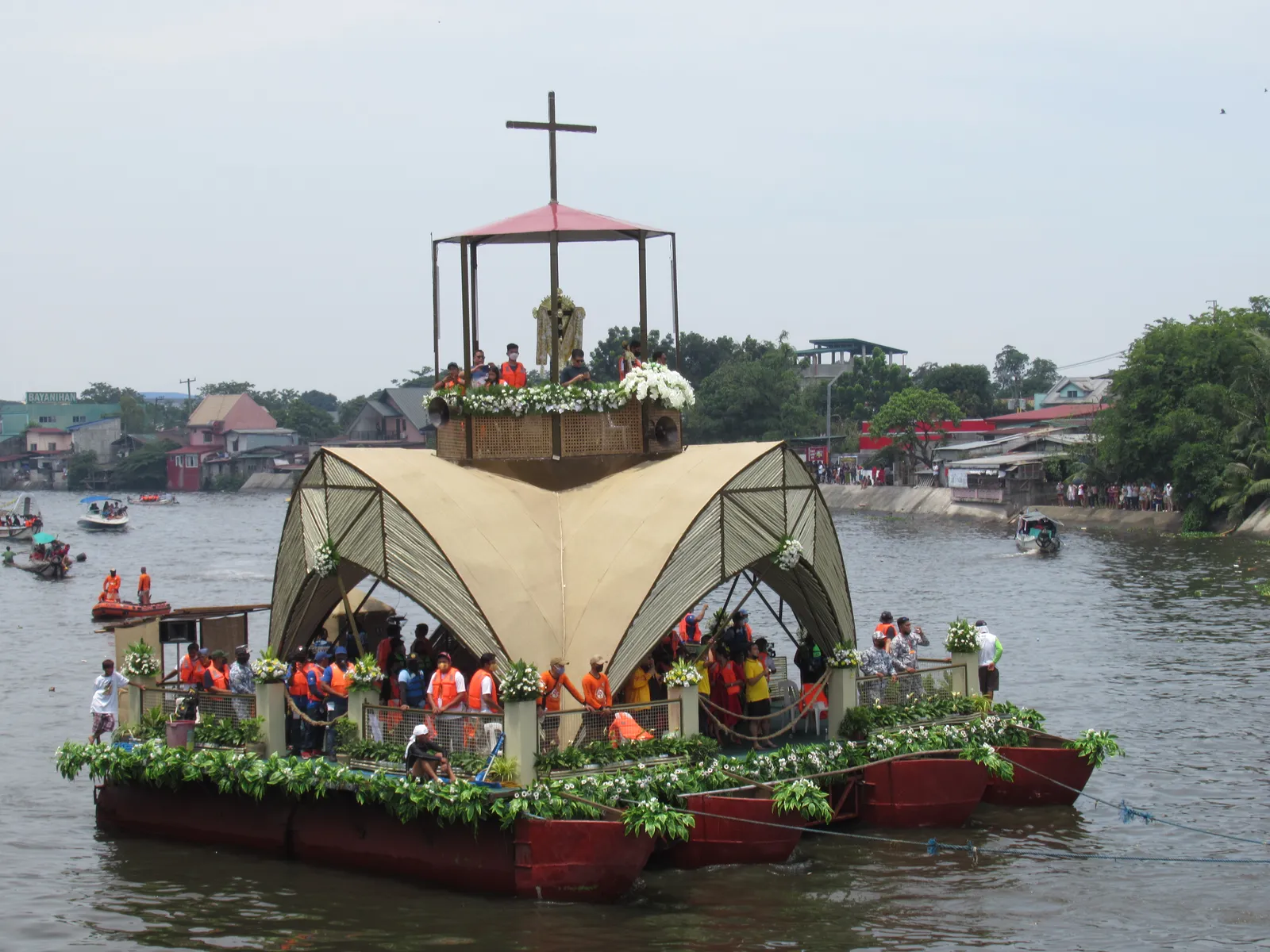
In the wake of the disaster, the 1994 procession was drastically scaled down to a solemn memorial: the pagoda was reduced to a two-foot-high model and only 50 people were allowed aboard. For twenty-one years, the grand multi-deck river pagoda was suspended while the town mourned its dead and erected a riverside monument honoring Sajid Bulig and the victims. When the full fluvial procession finally returned in 2014, it did so under strict Philippine Coast Guard and naval engineering oversight, utilizing welded steel barges, mandatory life vests, rescue divers, and passenger manifests capped below 150 riders.
What the Tragedy Teaches
The Bocaue disaster remains one of the deadliest inland maritime tragedies in modern Philippine history—a catastrophe caused not by a typhoon or collision, but by the physics of free-surface crowd weight on an uncertified floating structure. Today, the annual Krus sa Wawa festival endures both as a living expression of Bulacan faith and as a permanent reminder of why crowd engineering, vessel stability limits, and emergency life-saving readiness matter on every waterway.
What the Record Shows
8 sourced claims in this story, resting on 5 primary and historical records. Numbers link to the bibliography below.
- The floating pagoda was built for the annual Krus sa Wawa festival on the Bocaue River on July 2, 1993 - sources: 1, 4
- The barge carried an estimated 800 to 1,000 pilgrims, far exceeding its safe carrying capacity - sources: 1, 2
- A stray firework startled passengers, causing a panic rush to one side that capsized the pagoda - sources: 1, 4
- Over 200 devotees perished, trapped under heavy canvas and submerged timber scaffolding - sources: 1, 2
- 13-year-old Boy Scout Sajid Bulig rescued six children before drowning in the wreckage - sources: 3, 4
- Sajid Bulig was posthumously awarded the Presidential Award of Heroism by President Fidel Ramos - sources: 3, 5
- The tragedy led to a 21-year suspension of the full-scale river festival until it resumed with steel barges in 2014 - sources: 4, 5
- Stringent safety protocols now limit passengers to under 150 with mandatory life vests and Coast Guard escorts - sources: 4, 5
Archival Evidence & Picture Credits
Every image on this page was checked against its Wikimedia Commons file page.
- The floating pagoda of the Bocaue Krus sa Wawa festival, photographed in 2022 (Wikimedia Commons) - Wikimedia Commons file page
- The Bocaue River, where the 1993 disaster took place (Wikimedia Commons) - Wikimedia Commons file page
- The venerated Krus sa Wawa cross, carried in the safety-regulated festival of 2022 (Wikimedia Commons) - Wikimedia Commons file page


Verified Archival Sources & Bibliography
Every claim in this account has been fact-checked against primary archives and scholarly repositories:
- United Press International (UPI): Over 200 Die in Philippine Festival Tragedy (July 3, 1993) (news dispatch)
- The New York Times: Dozens Drown in Philippine Religious Festival River Parade (July 4, 1993) (news)
- World Organization of the Scout Movement: Bronze Wolf and Boy Scouts of the Philippines Heroic Citations (Sajid Bulig) (primary)
- Wikipedia: Bocaue pagoda tragedy (reference)
- Philippine News Agency (PNA): The Legacy of Bocaue River Festival Safety Protocols (government archive)
Historical Connection Graph
The Worst Industrial Disaster in History Happened While a City Slept.
AJ. "A Firework Scared the Crowd. Their Floating Shrine Sank.." Echoes of History Uncut. Last modified September 16, 2026. https://echoesofhistoryuncut.com/articles/bocaue-pagoda-tragedy/.

An independent digital history publication and documentary studio reconstructing historical turning points through primary archives, official inquiries, and scholarly citations. Every factual claim in this dossier is cross-referenced to the numbered bibliography above.