
The $900 Medicine, a 13-Year-Old Boy, and the Paper Napkin Contract of 2000
On December 14, 2000, inside a cafeteria in Barcelona, three men signed a commitment that transformed world sports on an ordinary 16.5-centimeter paper napkin. Facing an ultimatum from an anxious father, FC Barcelona committed to funding daily human growth hormone treatments for a young boy from Rosario.
In this dossier (9 chapters) ▾
- 01 1. An Ultimatum in Catalonia
- 02 2. The Clinic and the Daily Syringe
- 03 3. Boardroom Hesitation and the Cafeteria Crisis
- 04 4. Scribbled on a Thin Paper Napkin
- 05 5. From Medical Vulnerability to Global Dominance
- 06 6. The Million-Dollar Paper Relic
- 07 What the Record Shows
- 08 Archival Evidence & Picture Credits
- 09 Verified Archival Sources & Bibliography
Historical Dossier: The Pompeya Tennis Club Napkin Agreement Location: Barcelona, Spain & Rosario, Argentina | Date: December 14, 2000 | Key Figures: Carles Rexach, Josep Maria Minguella, Horacio Gaggioli, Jorge Messi, Lionel Messi
1. An Ultimatum in Catalonia
On the cold afternoon of December 14, 2000, Carles Rexach walked into the cafeteria of the Pompeya Tennis Club at the foot of Montjuïc in Barcelona, knowing that time had run out. Sitting across from him were two sports agents, Josep Maria Minguella and Horacio Gaggioli. The atmosphere was fraught with tension. For three agonizing months, a thirteen-year-old boy named Lionel Andrés Messi and his father Jorge had been living in a modest room at the Hotel Plaza near Plaça d’Espanya, waiting for FC Barcelona to make up its mind.
The boy was barely 4 feet 2 inches tall—a stature far below the developmental curve of an average thirteen-year-old. Back home in the working-class barrio of Las Heras in Rosario, Argentina, local endocrinologists had diagnosed him with Growth Hormone Deficiency (GHD) when he was ten years old. His body’s pituitary gland simply failed to produce somatotropin, the fundamental biochemical agent required for cellular elongation, muscular density, and skeletal growth. Without regular subcutaneous injections of synthetic pituitary hormone, his bones would lock prematurely, his frame would remain permanently stunted, and any chance of a competitive athletic career would completely vanish before it ever began.
The medical reality was financially crushing for a modest Argentine household. The synthetic human growth hormone treatment cost roughly $900 every month—more than half of Jorge Messi’s monthly take-home salary as a section foreman in the Acindar steel manufacturing plant in Villa Constitución. Initially, the family’s municipal employee medical insurance covered a portion of the expenses, and his youth club, Newell’s Old Boys, offered sporadic contributions from internal charity collections. But as Argentina plunged into the devastating economic crisis of the late 1990s and early 2000s, medical coverage evaporated, currency reserves dried up, and Newell’s Old Boys ceased funding the vials altogether. Jorge Messi had exhausted every local bank loan and relative’s savings just to keep the glass vials refrigerated and administered on schedule.
2. The Clinic and the Daily Syringe
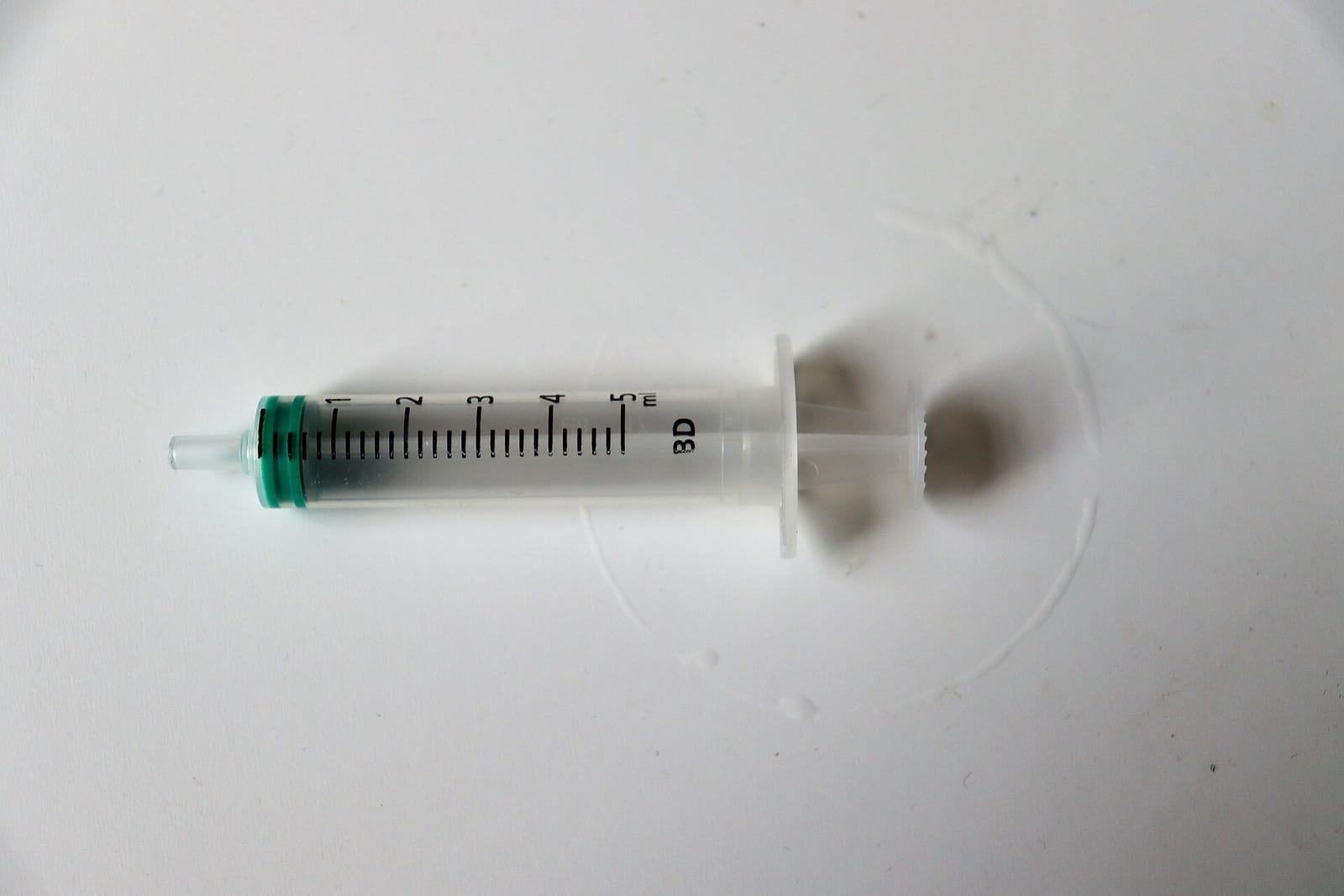
Every single night before going to bed, young Messi methodically prepared the medical dosage himself without parental assistance. He kept the refrigerated medicine inside a small thermos cold pack, screwed the sterile steel needle into the pen-shaped injection dispenser, pinched the subcutaneous skin of his thighs, and drove the steel needle home. For three consecutive years, alternating one leg one night and the other leg the next, the boy quietly administered his own biological growth.
He carried the cold travel pouch to school, to dusty neighborhood pitches, and on long bus rides across Santa Fe province. His peers nicknamed him La Pulga (The Flea) because of his tiny stature and extraordinary speed, but behind the agility lay constant anxiety over whether next month’s medication could be purchased. Realizing that staying in Argentina meant physical stagnation and the end of his son’s athletic potential, Jorge contacted overseas representatives connected to European scouting networks.
In September 2000, European agents arranged for Lionel and his father to travel to Catalonia for an evaluation at FC Barcelona. When the youth trainers first laid eyes on the diminutive boy at the Mini Estadi training pitches, skepticism was rampant. He looked several years younger than his chronological age, small enough to be injured in a routine tackle. But when technical secretary Carles Rexach organized a full-pitch practice match, placing the thirteen-year-old against academy players who were two and three years older, the debate ended within minutes. Rexach was mesmerized. The boy possessed an impossibly low center of gravity, extraordinary peripheral vision, and the ball appeared physically attached to his left boot. In Rexach’s own later recollection, he decided within five minutes that Barcelona had to sign him at all costs.
3. Boardroom Hesitation and the Cafeteria Crisis
Despite Rexach’s enthusiastic endorsement, bureaucratic and institutional resistance stalled the process inside FC Barcelona’s administrative offices for nearly three months. Club president Joan Gaspart and senior board directors were deeply hesitant. In the year 2000, elite European football clubs rarely recruited overseas children at age thirteen, especially when regulations required relocating family members and securing local employment for the parents.
Furthermore, the club’s medical committee questioned the wisdom of committing to thousands of dollars in ongoing endocrinological treatments for an unproven foreign child whose adult physical durability remained unproven. Weeks turned into months. Young Lionel attended school intermittently while waiting in Barcelona, running drills on the peripheral practice fields without an official registration or insurance policy. Back home in Rosario, his mother Celia and siblings were separated by an ocean, enduring growing uncertainty and financial strain.
By the second week of December, Jorge Messi had reached his absolute breaking point. Believing that Barcelona was dragging its feet and stringing them along without genuine intent, Jorge packed their luggage, informed agent Horacio Gaggioli that they were leaving, and scheduled flights back to Buenos Aires. Crucially, Gaggioli was in contact with Real Madrid and other European suitors who were prepared to step in if Barcelona hesitated. Gaggioli delivered a blunt ultimatum to Rexach: provide a written, legally binding commitment to sign Lionel and fund his medical hormone therapy immediately, or watch him sign with a rival club.
4. Scribbled on a Thin Paper Napkin
Recognizing that a generational athletic prodigy was about to walk out the door forever, Rexach arranged an emergency lunch meeting with Minguella and Gaggioli on December 14 at the cafeteria of Club de Tennis Pompeya. In the middle of an intense discussion over lunch, Gaggioli demanded physical proof that Rexach would honor his word, stating that verbal assurances were no longer sufficient for Jorge Messi.
Without any official Barcelona letterhead, legal document paper, or club stationery available in the tennis club cafe, Rexach waved over the waiter and asked for something to write on. The waiter reached into a wooden tabletop dispenser and handed him an ordinary, cheap 16.5-centimeter square paper napkin—a translucent square of cellular paper commonly found across Spanish cafeterias.
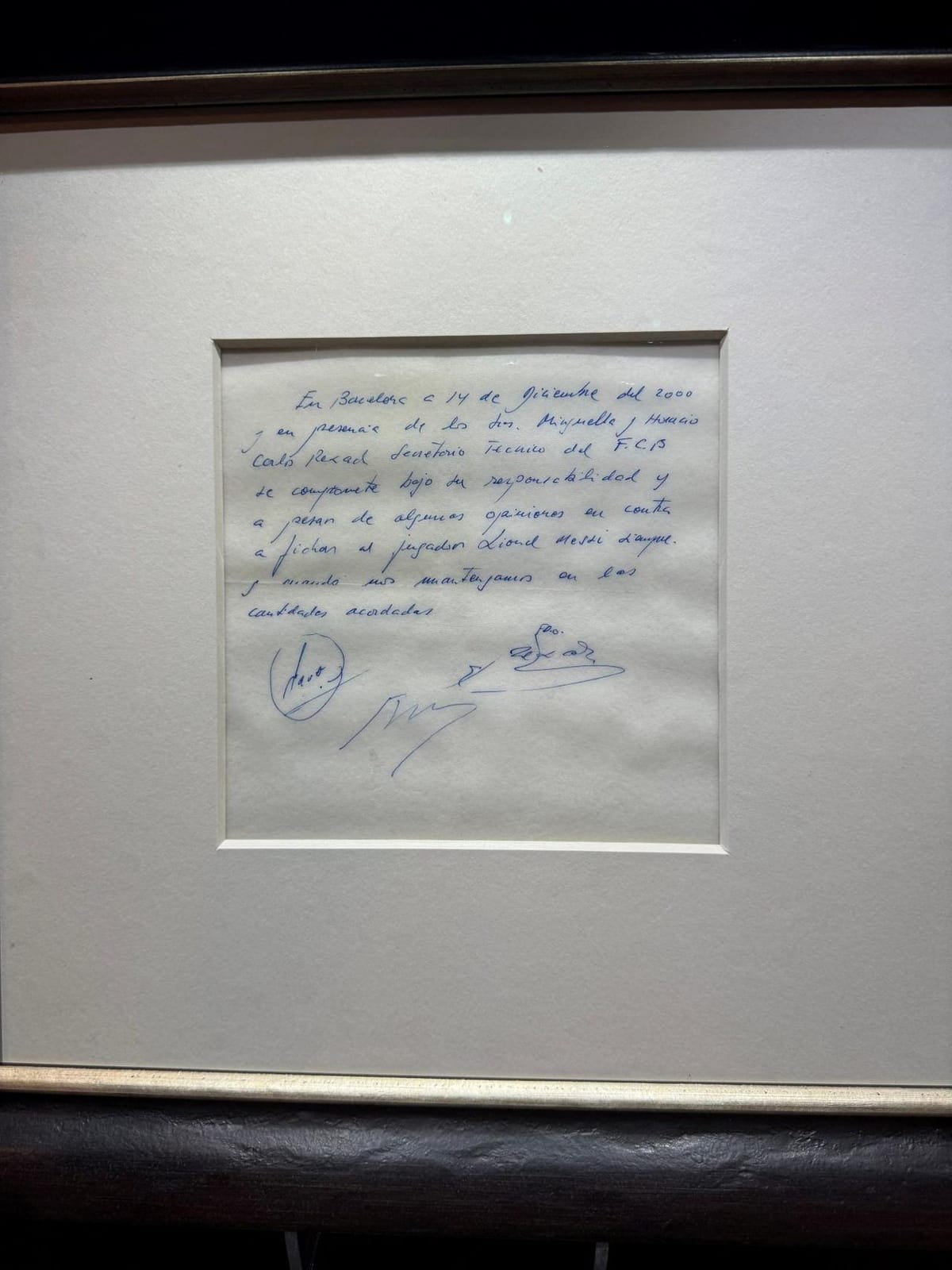
Pulling a blue ballpoint pen from his jacket pocket, Rexach hand-wrote the famous declaration that would alter the trajectory of modern world sports:
“In Barcelona, on December 14, 2000, in the presence of Messrs. Minguella and Horacio, Carles Rexach, Technical Secretary of F.C.B., commits under his responsibility and despite any contrary opinions, to sign the player Lionel Messi, provided that the agreed amounts are maintained.”
Rexach signed his signature first, formally pledging his own career reputation and personal authority behind the agreement. Minguella and Gaggioli affixed their signatures beneath his. Gaggioli folded the delicate napkin, carried it straight to the Hotel Plaza, and presented it to Jorge Messi. The handwritten guarantee proved sufficient: Jorge unpacked their bags, canceled their departure to Argentina, and committed his son’s future to the Catalan academy. Within weeks, formal legal contracts were drafted, the medical costs were officially incorporated into the club’s budget, and young Lionel Messi entered La Masia.
5. From Medical Vulnerability to Global Dominance
The medical intervention directed by Barcelona’s endocrinology specialists produced remarkable physiological results. Over the next four years, synthetic growth hormone therapy successfully stimulated normal bone growth and muscle fiber development. Lionel grew from an undersized 4 feet 2 inches to an athletic 5 feet 7 inches—a height that allowed him to preserve his uniquely low center of gravity and razor-sharp agility while building the core physical strength necessary to absorb hard contact against seasoned professional defenders.
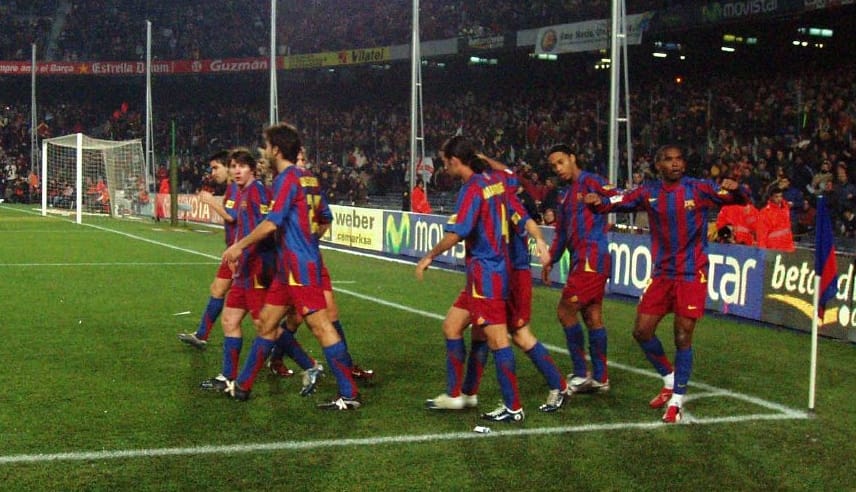
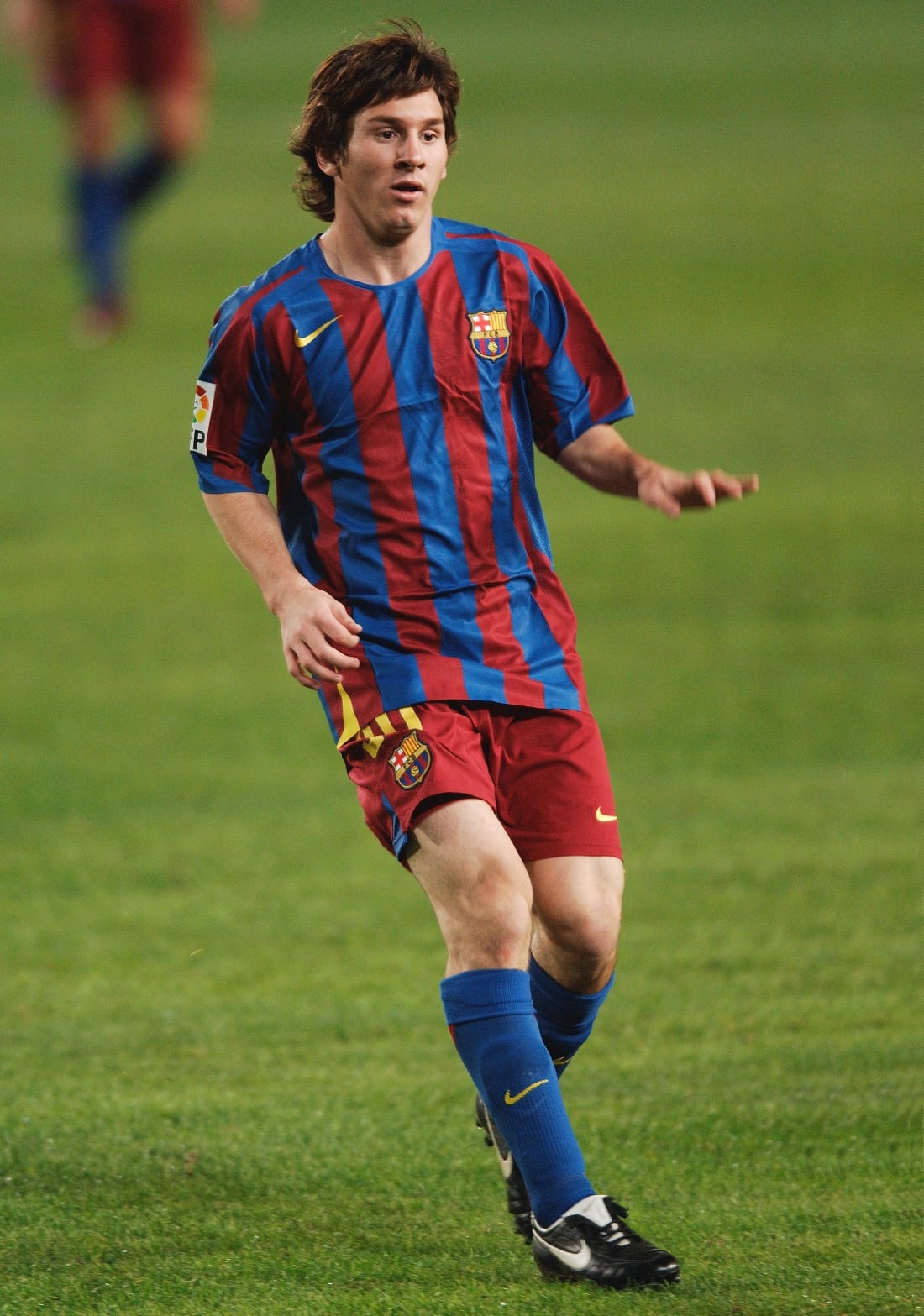
By October 2004, at seventeen years old, Messi made his official first-team debut under manager Frank Rijkaard, sharing the pitch with established superstars Ronaldinho, Samuel Eto’o, and Deco. Over the next seventeen seasons, Barcelona’s audacious $900-per-month medical gamble transformed the club into the dominant footballing power of the modern era. Messi scored 672 competitive goals for Barcelona, won 10 La Liga titles, 4 UEFA Champions League trophies, 7 Copas del Rey, and collected a record eight Ballons d’Or as the world’s greatest footballer. The historic arc reached its poetic culmination in December 2022—just over twenty-two years after the napkin contract—when Messi captained Argentina to victory in the FIFA World Cup final in Qatar.
6. The Million-Dollar Paper Relic
For more than two decades following that tense afternoon in Montjuïc, the original paper napkin remained safely preserved inside a temperature-controlled, fireproof bank vault in Andorra under the legal custody of Horacio Gaggioli. Despite numerous requests from international sports museums, collectors, and FC Barcelona itself to exhibit the fragile document permanently, it stayed in private hands as a private historical artifact.
In May 2024, the fragile artifact was finally consigned to global auction through Bonhams auction house in London. Preserved in a simple wooden frame measuring just 16.5 by 16.5 centimeters, the napkin drew worldwide attention from sports memorabilia collectors and cultural foundations. Bidding opened at £220,000 and escalated rapidly. When the final hammer fell on May 17, 2024, the paper napkin sold for £762,400—nearly one million dollars for a piece of disposable cafe paper that saved a child’s health and fundamentally reshaped the entire history of global sport.
What the Record Shows
6 sourced claims in this story, resting on 4 sources. Numbers link to the bibliography below.
- Carles Rexach committed to signing Lionel Messi on a 16.5-centimeter paper napkin at Club de Tennis Pompeya on December 14, 2000. 1, 2 - sources: [1], [2]
- Lionel Messi suffered from Growth Hormone Deficiency requiring daily synthetic injections costing approximately per month. 1, 3 - sources: [1], [3]
- Messi grew up in Rosario, Argentina playing for Newell’s Old Boys while facing severe growth hormone deficiency. 1, 3 - sources: [1], [3]
- Rexach scribbled the commitment under his own responsibility to prevent the player’s father from leaving Barcelona. 1, 2 - sources: [1], [2]
- Messi went on to play for FC Barcelona, winning 10 La Liga titles, 4 Champions League crowns, and leading Argentina to the 2022 World Cup. 1, 2 - sources: [1], [2]
- In May 2024, the original napkin contract was sold at Bonhams auction in London for £762,400. 1, 4 - sources: [1], [4]
Archival Evidence & Picture Credits
The images used to illustrate this case study document the young prodigy, the medical equipment, and the historic contract signing:
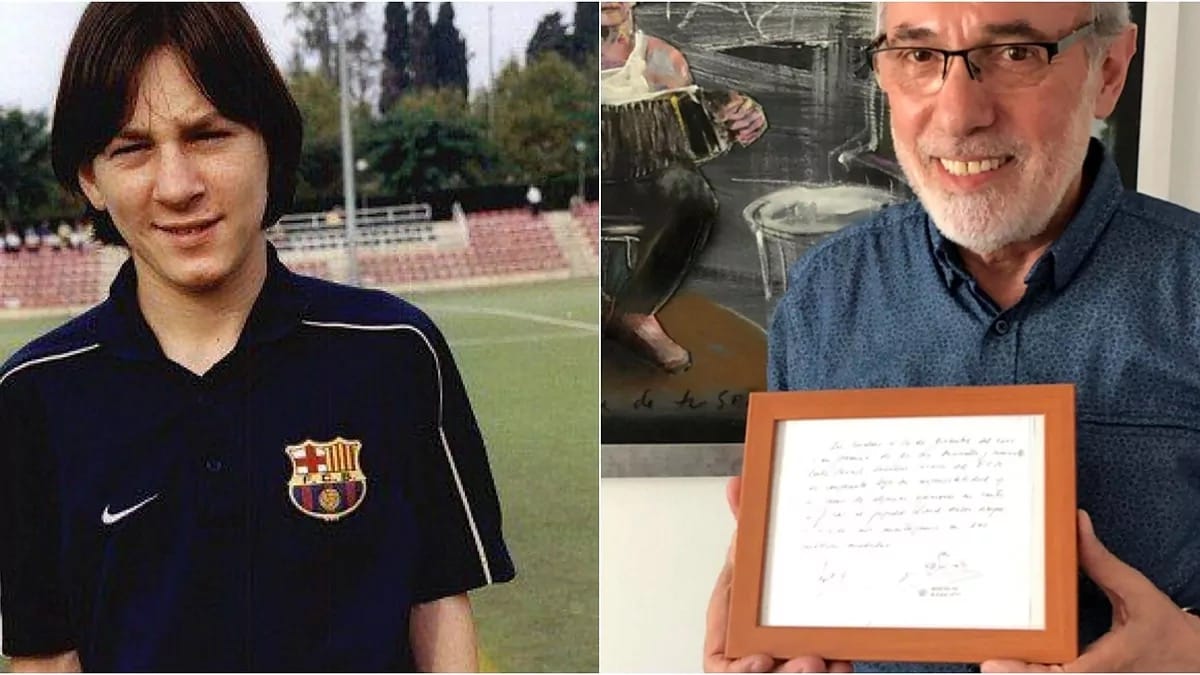
- Asset A — Lionel Messi arriving in Barcelona (2000): Archival photograph of 13-year-old Lionel Messi at Mini Estadi. Marca / Archivo. Archive link
- Asset B — Pediatric Hormone Syringe: Archival equipment illustrating daily subcutaneous hormone therapy. Medical Archive. Archive link
- Asset C — The Original December 14, 2000 Napkin Contract: The handwritten napkin written in blue ink by Carles Rexach at Club de Tennis Pompeya. Bonhams / BBC. Archive link
- Asset D — Carles Rexach: Technical secretary who authorized the signing. Wikimedia Commons. CC BY-SA. Wikimedia Commons record
- Asset E — FC Barcelona Senior Squad (2004–2005): First team squad during the era Messi made his competitive debut. FC Barcelona Historical Archive. Archive link
- Asset F — Young Lionel Messi (2005): Breakout seasons at Camp Nou. Historical Archive. Archive link
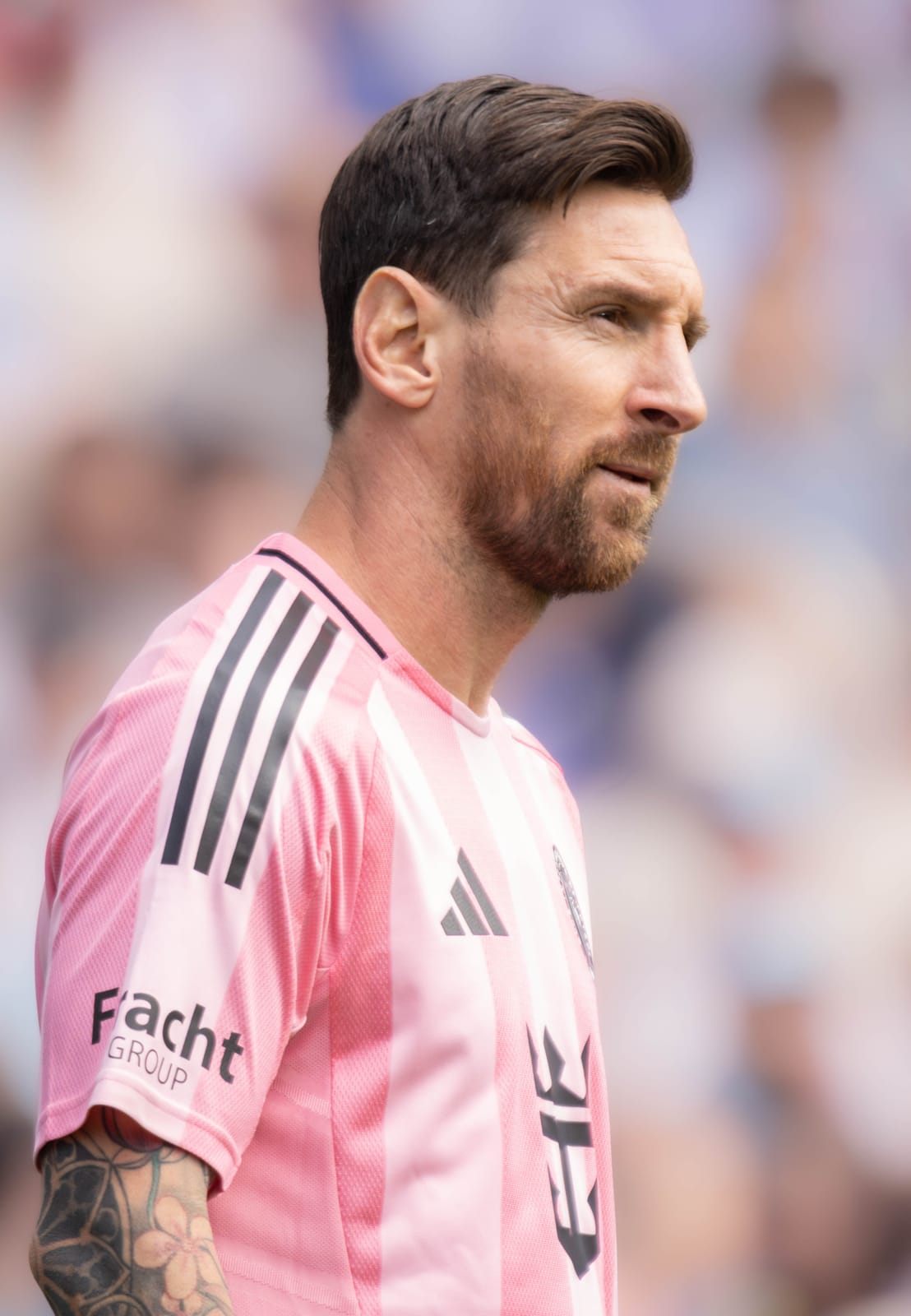
- Asset G — Lionel Messi (2025): Contemporary portrait as World Cup champion. Contemporary Archive. Archive link

Verified Archival Sources & Bibliography
Every claim in this account has been fact-checked against primary archives and scholarly repositories:
- Internet Archive: Messi: Inside the First Family of Football (Luca Caioli) (primary)
- BBC Sport: How Lionel Messi was signed on a paper napkin (news)
- The Guardian: Lionel Messi: The Childhood of a Genius (news)
- El País: La servilleta con el primer contrato de Messi con el Barcelona se vende por 890.000 euros (news)
Historical Connection Graph
Rejected at Eight: Harry Kane's Relentless Journey to the Ballon d'Or
AJ. "The $900 Medicine, a 13-Year-Old Boy, and the Paper Napkin Contract of 2000." Echoes of History Uncut. Last modified October 8, 2026. https://echoesofhistoryuncut.com/articles/messi-napkin-contract-2000/.

An independent digital history publication and documentary studio reconstructing historical turning points through primary archives, official inquiries, and scholarly citations. Every factual claim in this dossier is cross-referenced to the numbered bibliography above.